Surgical treatment of pectus excavatum
with the Nuss procedure

Leading center in Ukraine for surgical correction of
chest wall deformities in children and adults
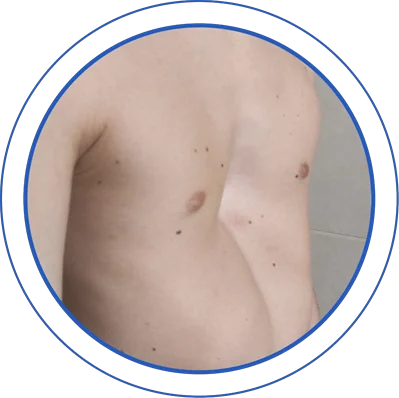
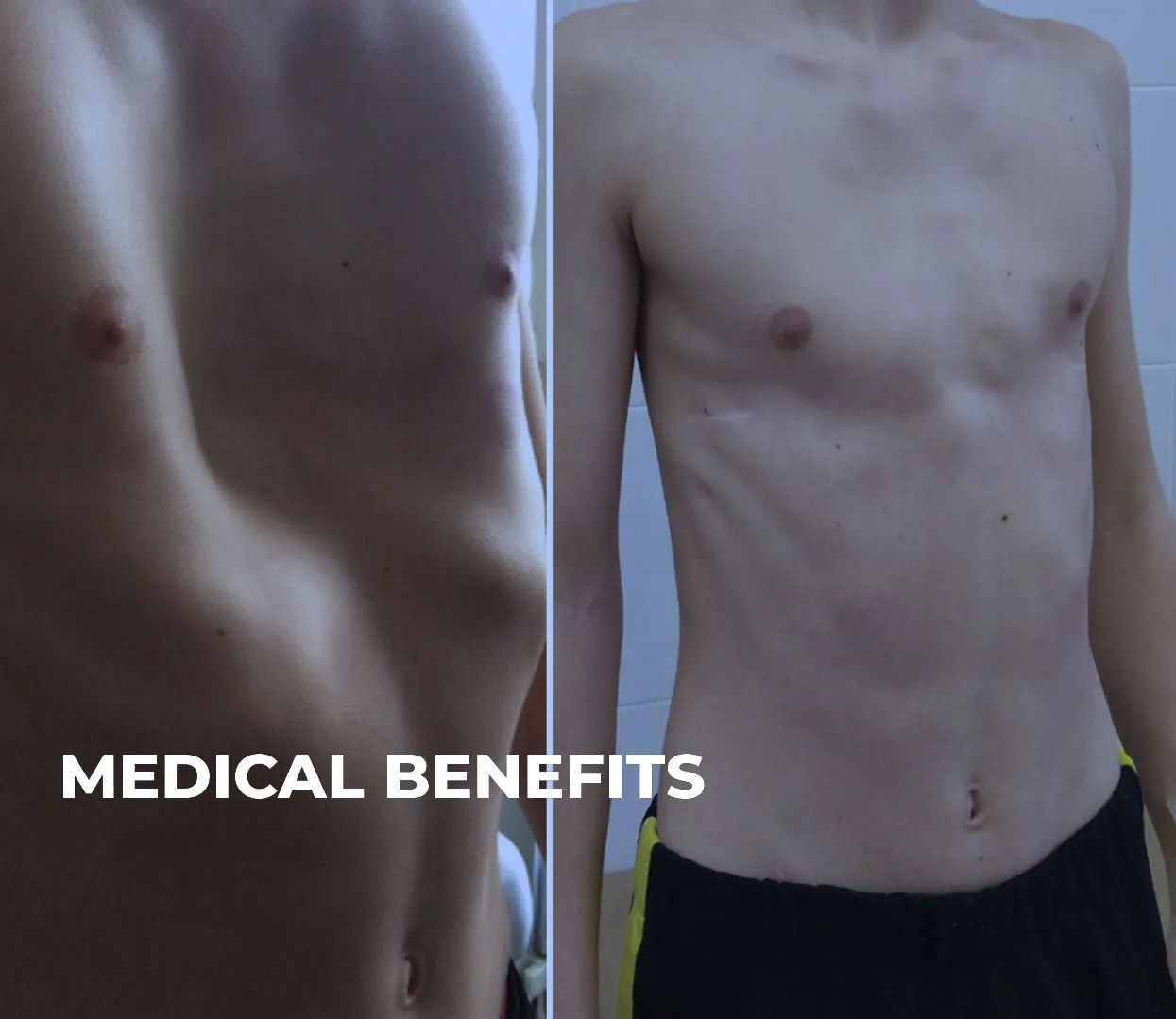
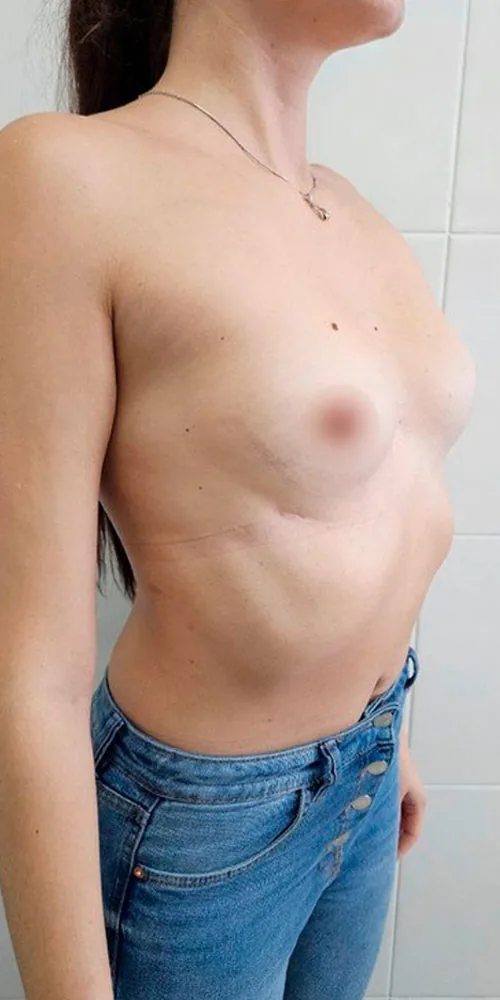
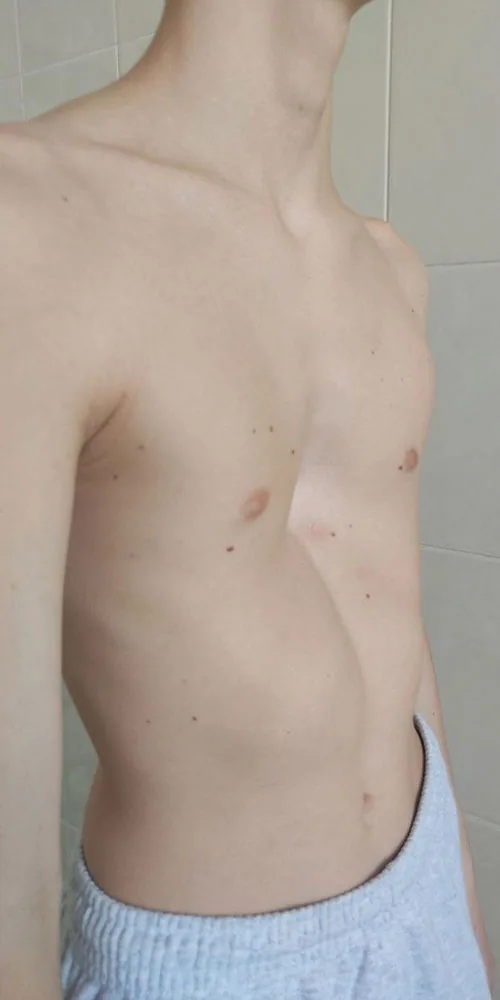
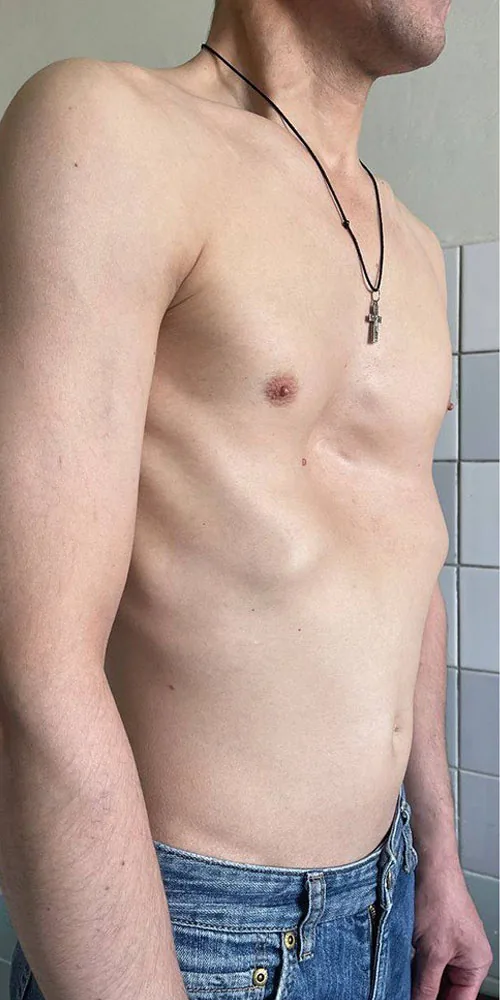
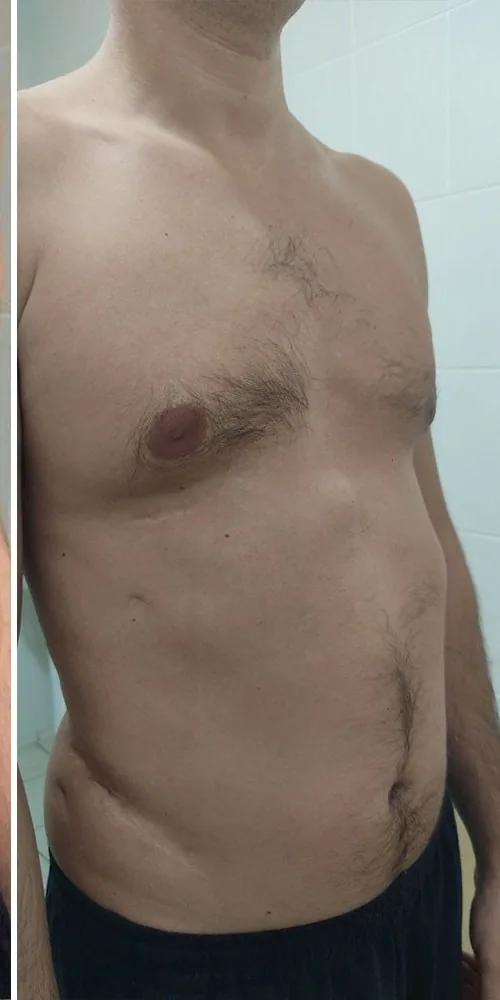
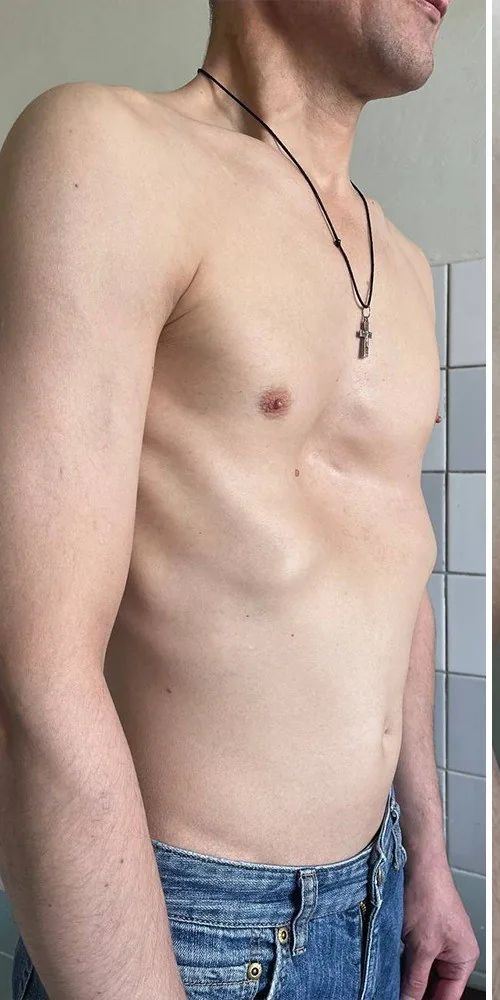
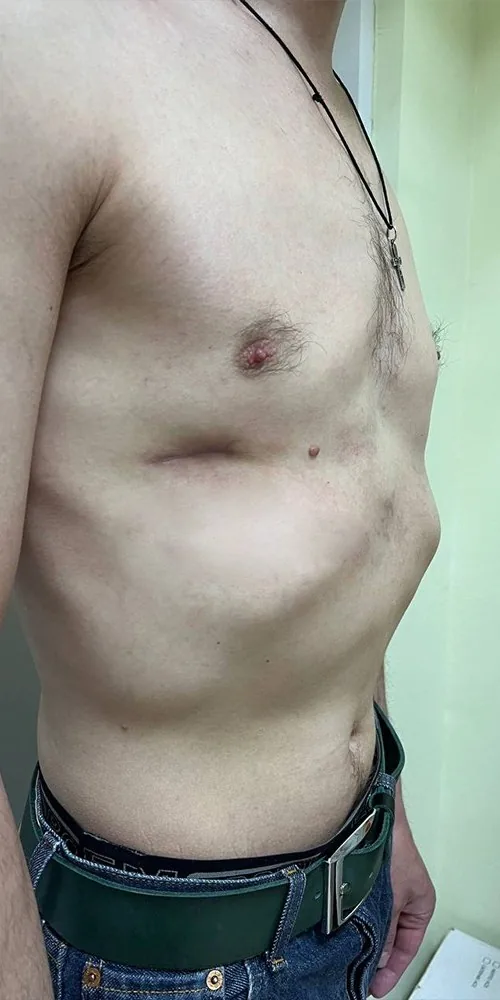
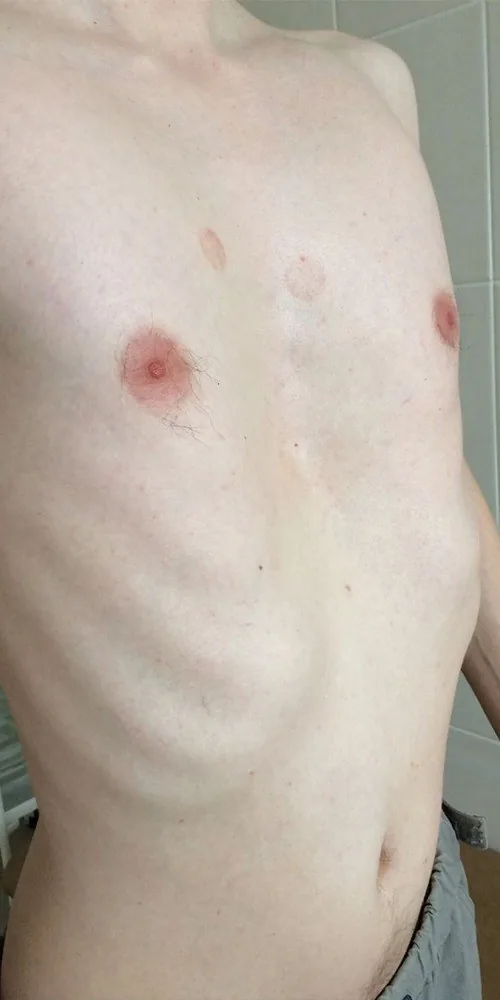
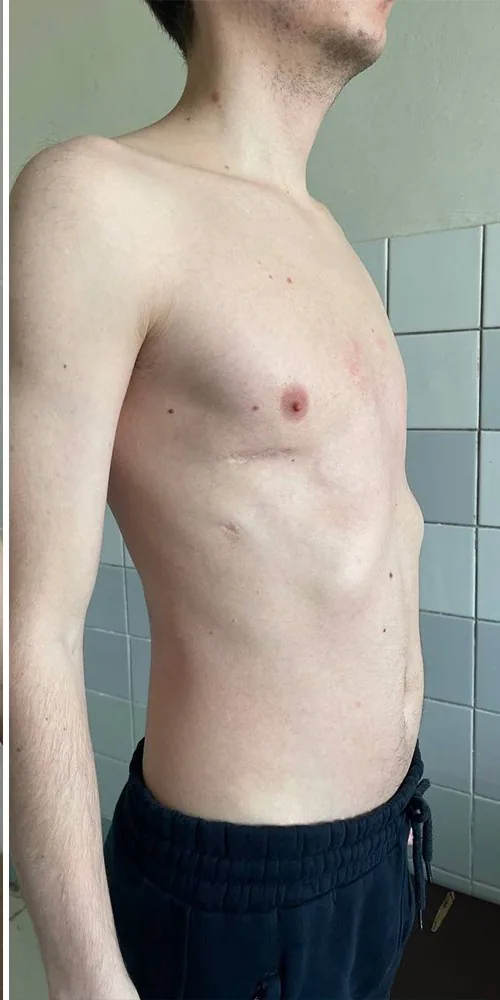
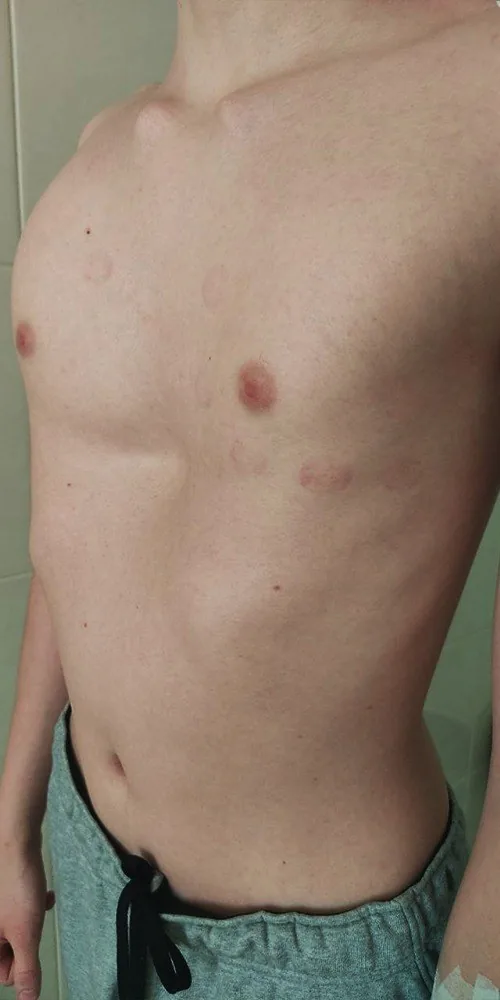
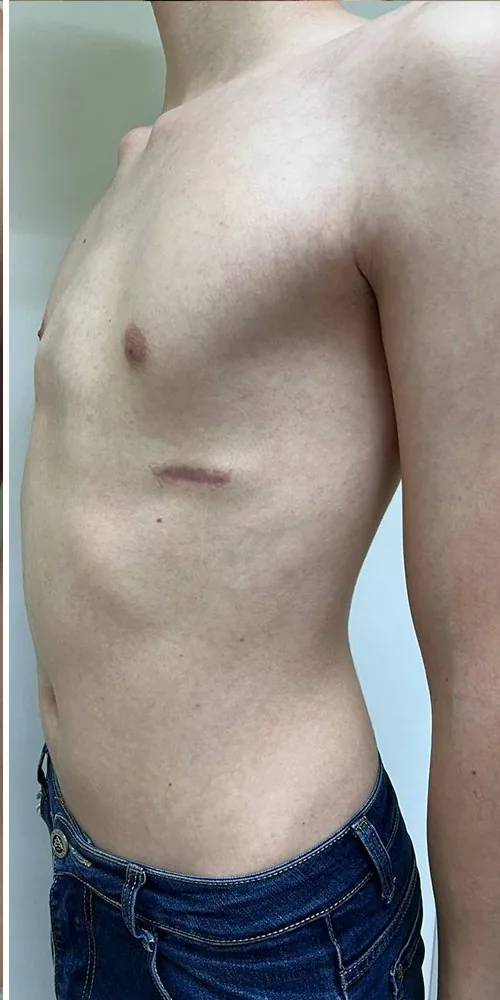
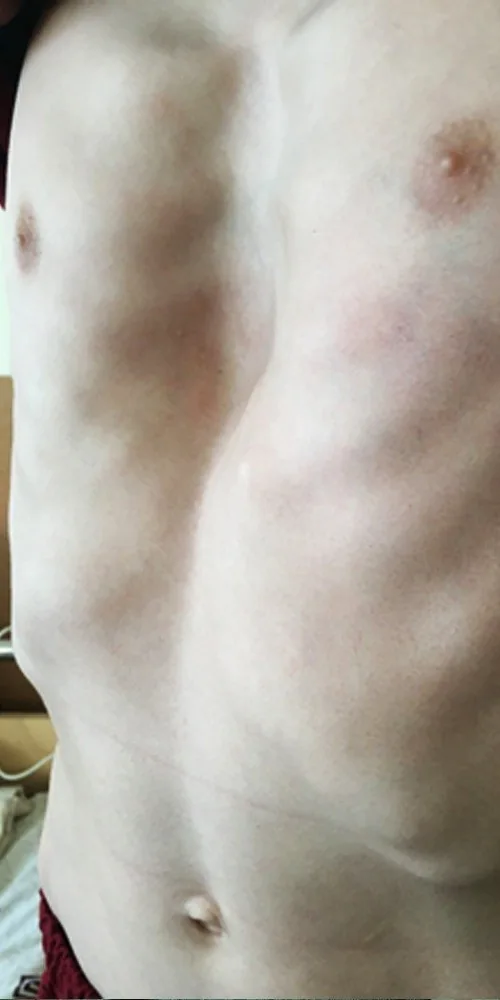
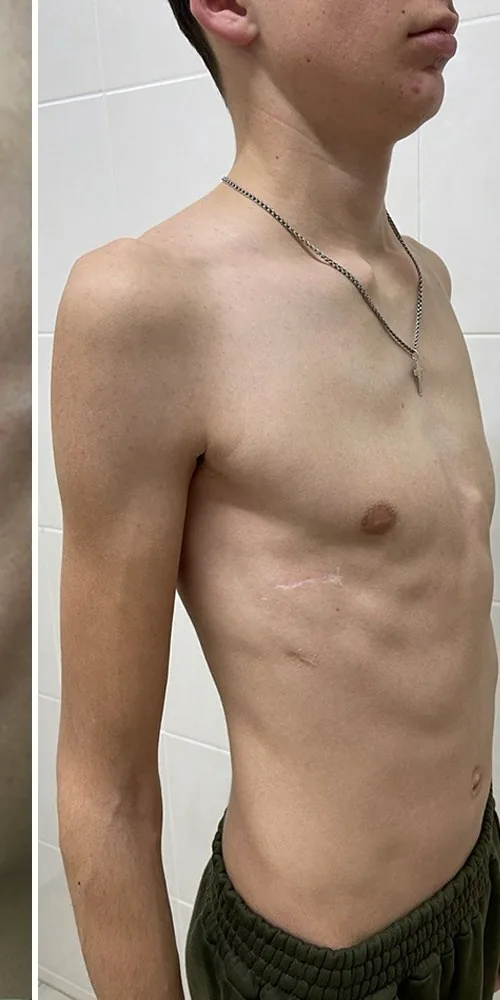
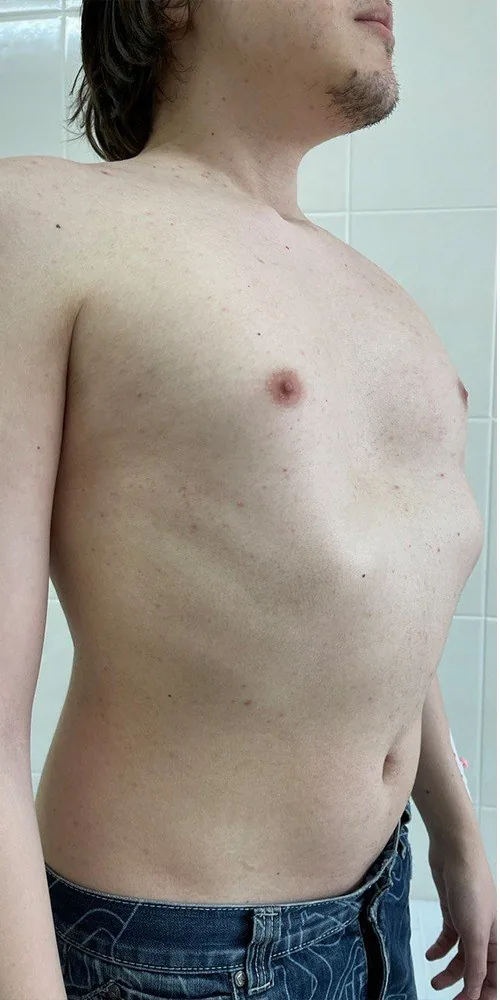
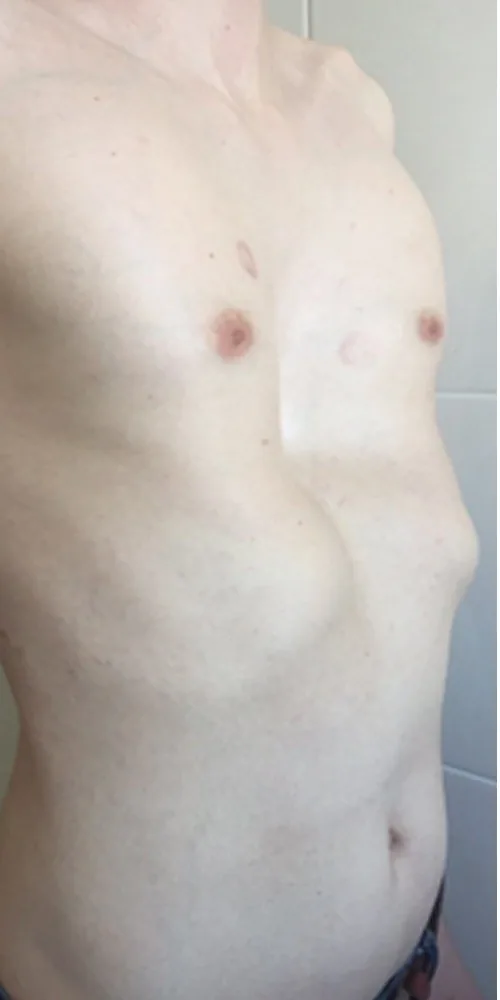
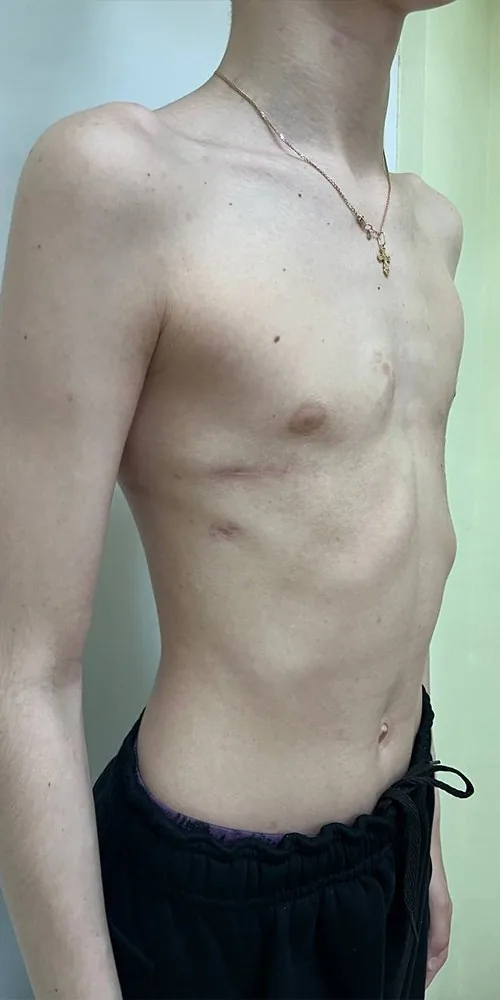
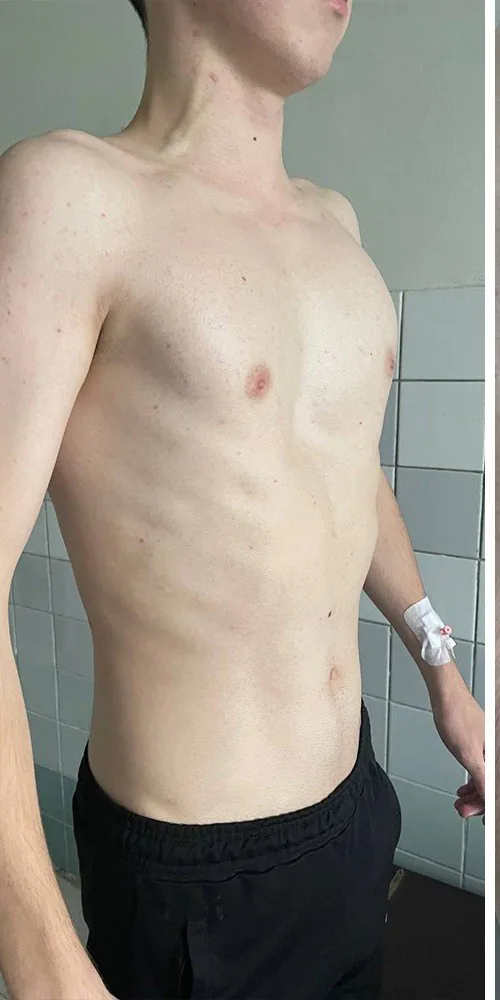
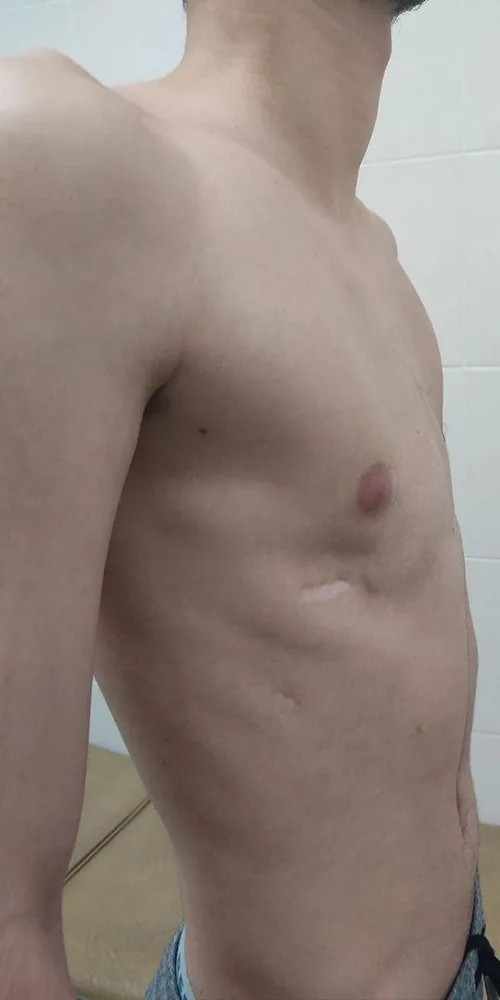
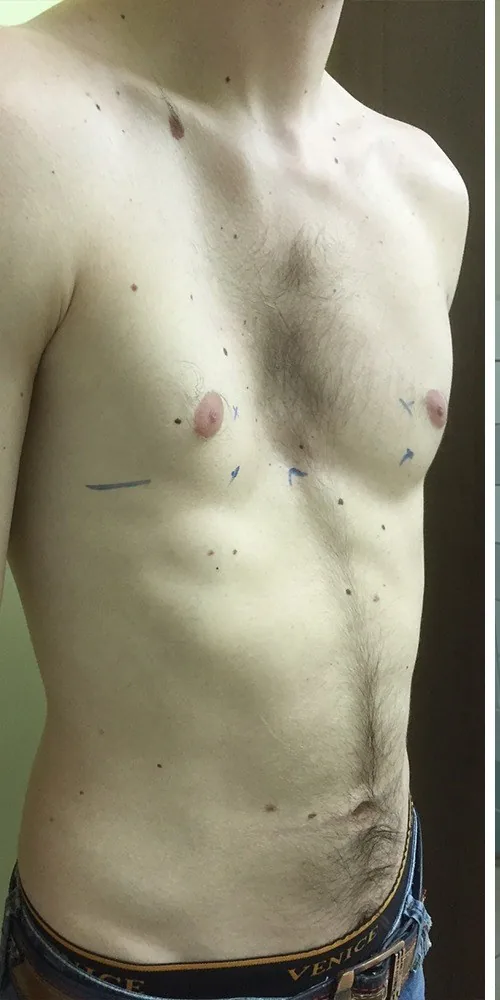
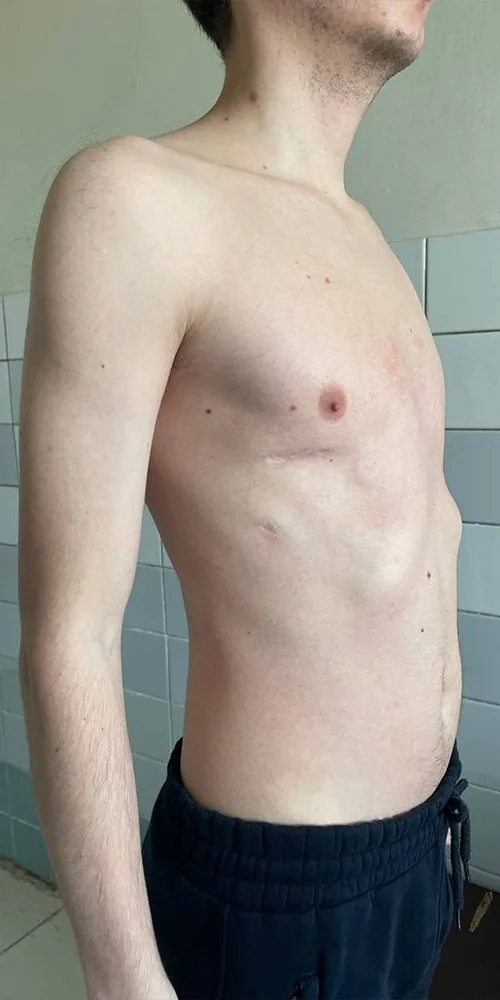
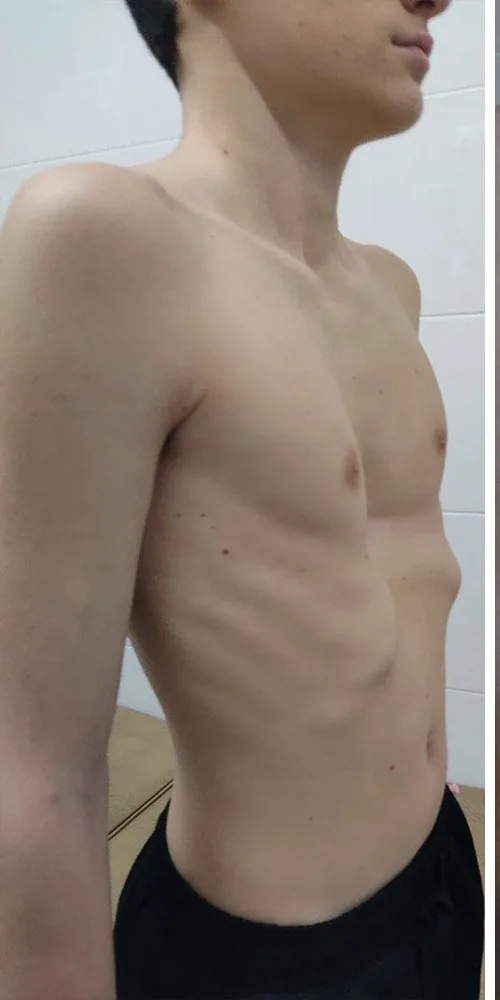
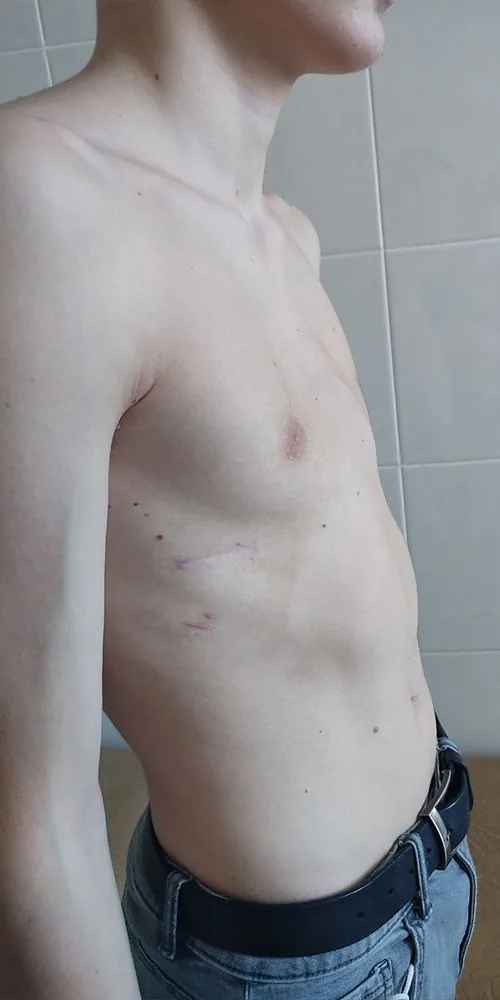
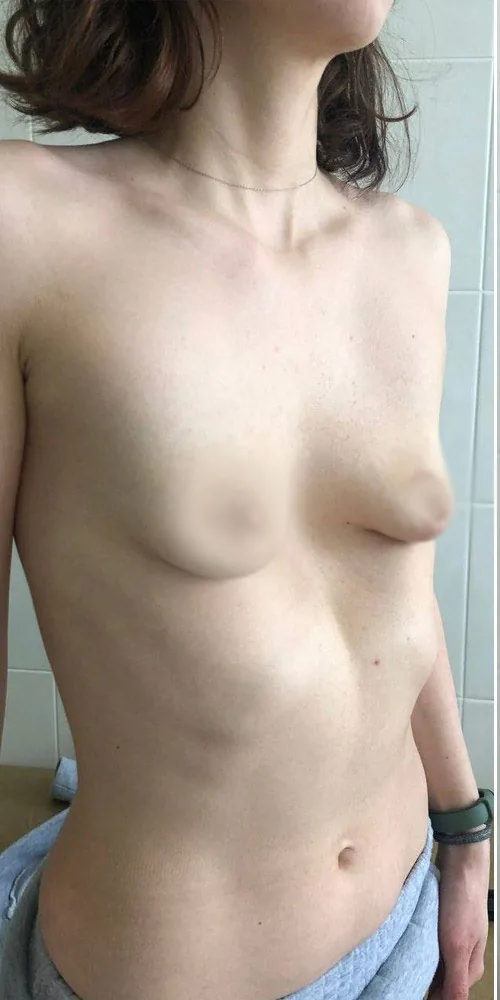
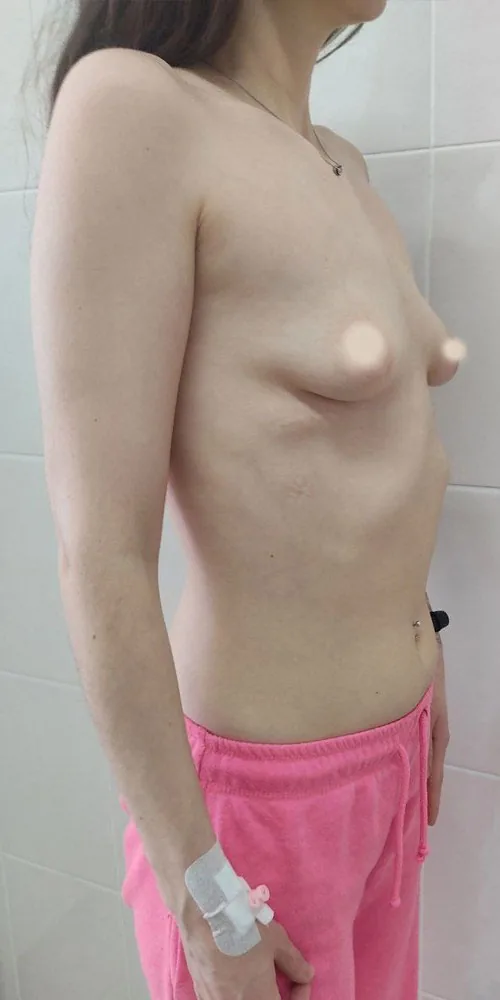
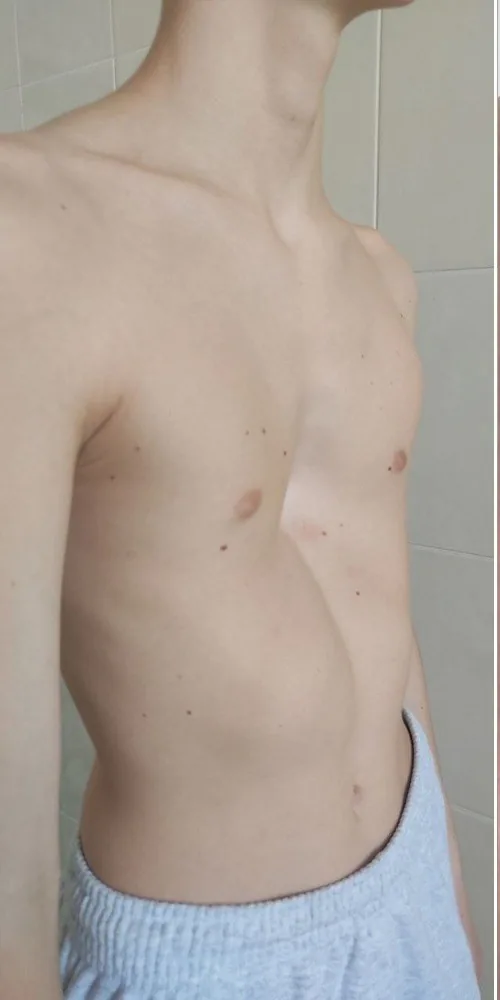
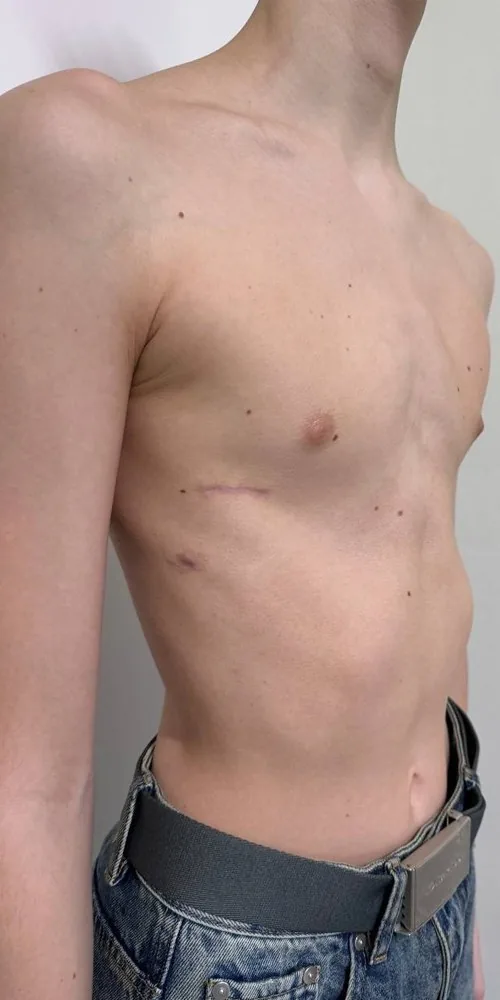
Chest of a patient with pectus excavatum — side view

Why is PE dangerous?

  • Cosmetic defect that causes psychological distress
  • Shortness of breath during exertion
  • Palpitations (tachycardia)
  • Decreased endurance
  • Congestion in the lungs
  • Predisposition to inflammatory lung diseases (pneumonia)

Surgical intervention
A surgeon in the operating room before a Nuss procedure

Absolute indications for surgery

In case of significant sternum depression that substantially affects the function of internal organs, surgery is necessary.

This is accompanied by:

  • Cardiac dysfunction (reduced cardiac output, arrhythmias)
  • Respiratory disorders (shortness of breath, reduced lung volume)
  • Pain or significant physical discomfort

Relative indications for surgery

If PE is of moderate severity but begins to negatively affect quality of life

  • Appearance of physical limitations or discomfort
  • Presence of psychological problems related to appearance
  • Possible progression of the deformity in the future

MAIN GOAL
of surgical treatment of pectus excavatum (PE) is to eliminate the deformity and restore normal anatomy of the chest wall.

  • Surgical outcomes are very favorable. Immediately after the procedure, the patient can observe an almost final correction result.
  • The final result is evaluated 6–12 months later, once tissues adapt and recovery is complete.
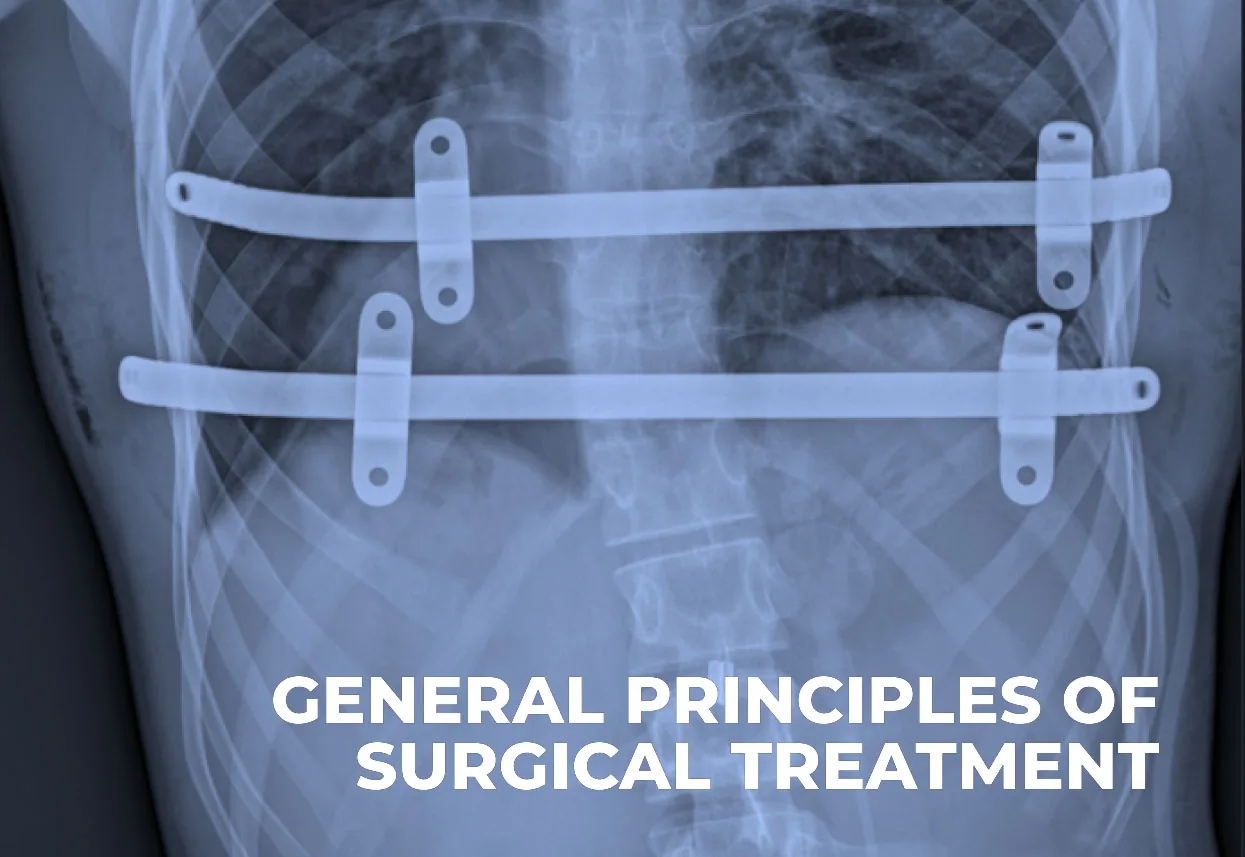
Chest X-ray showing two bars after correction with the Nuss procedure
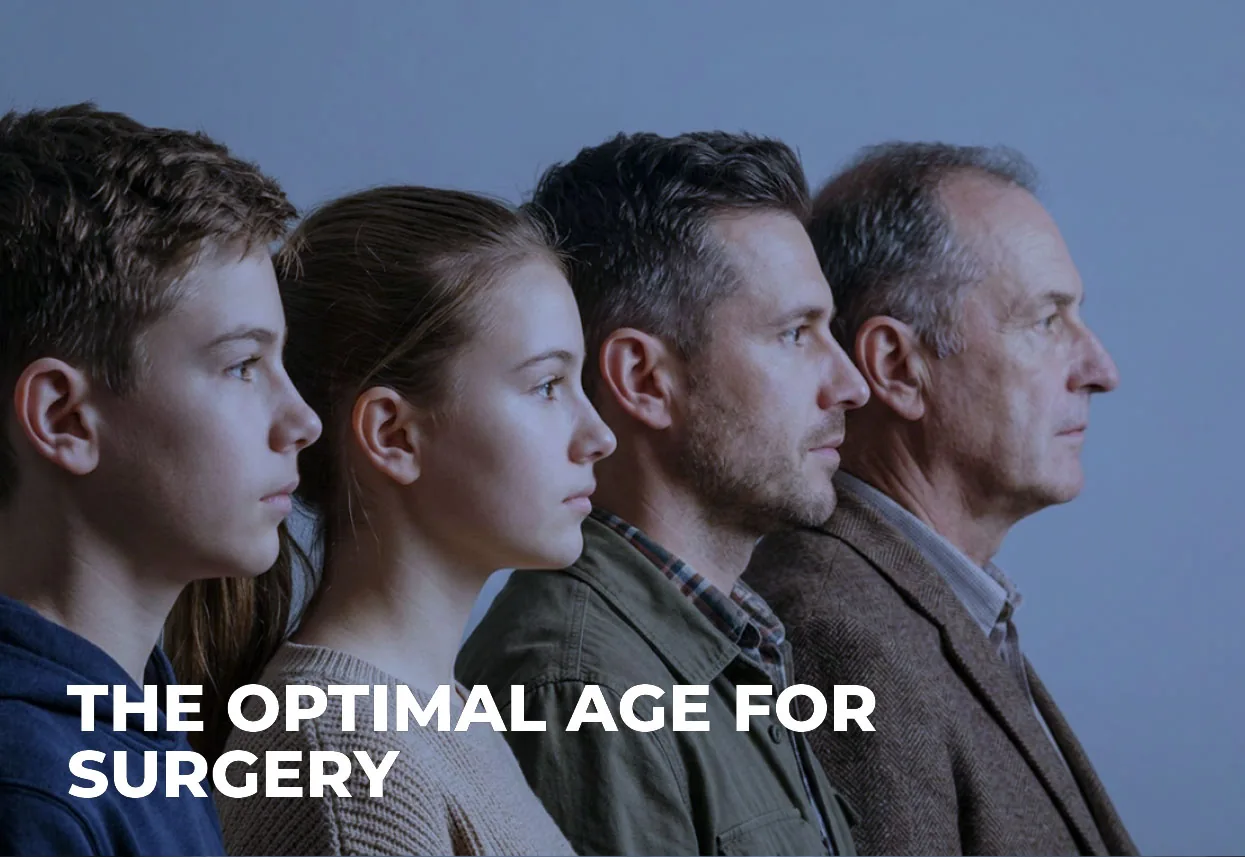
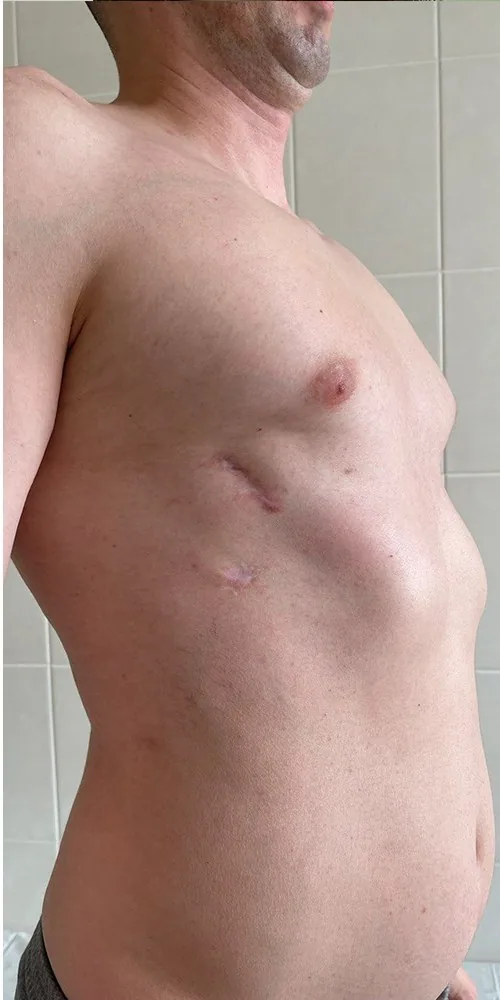
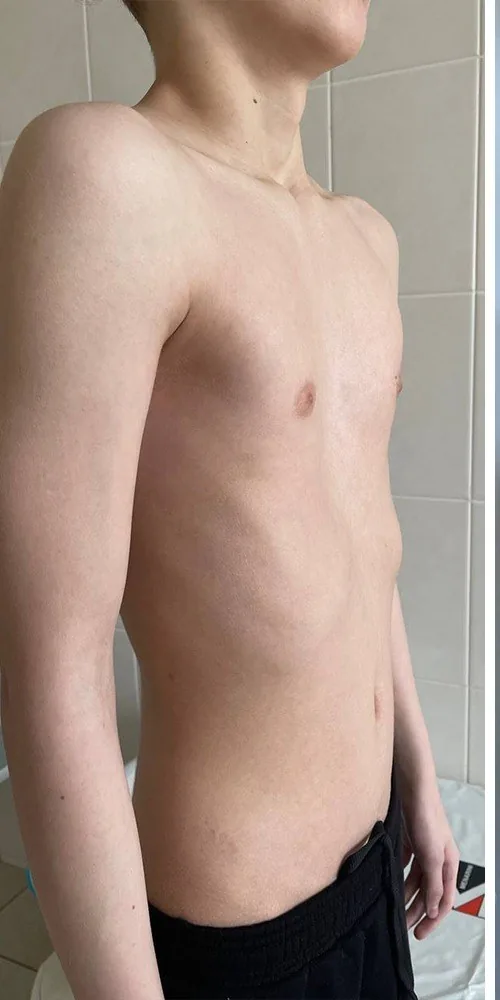
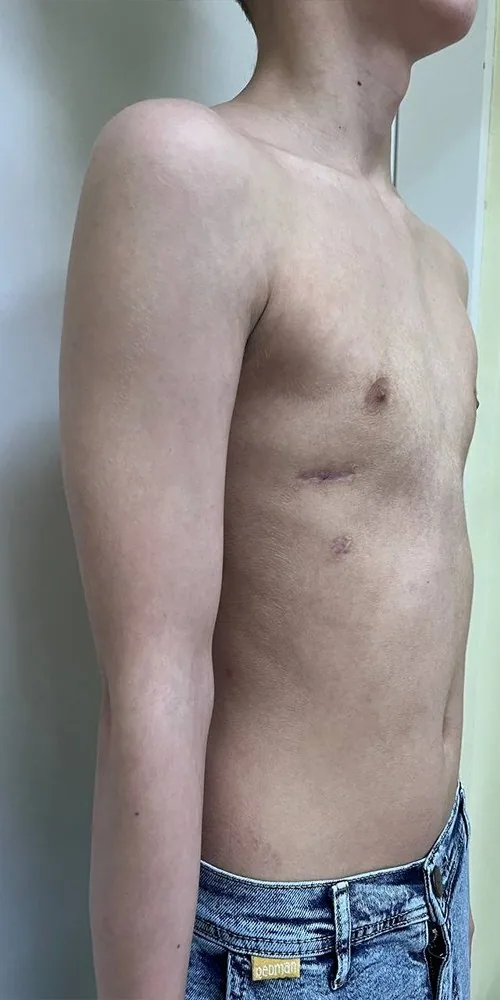
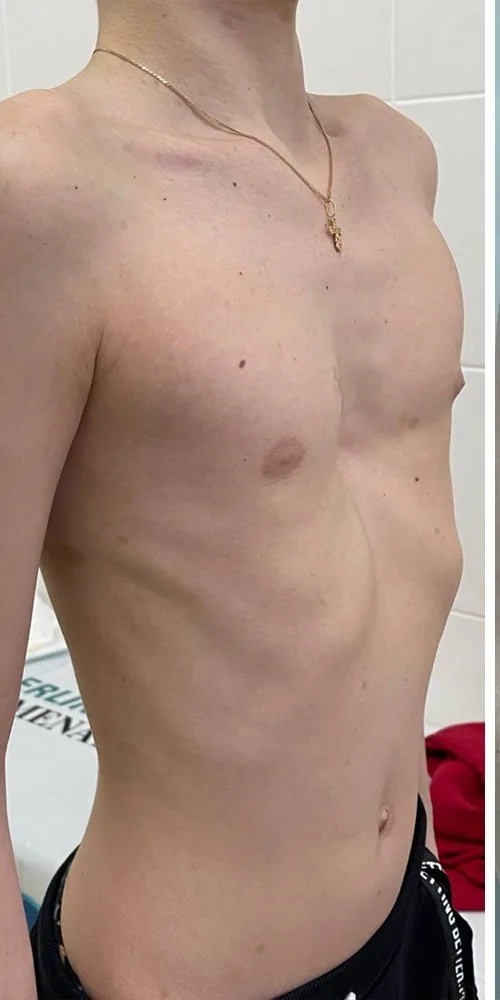
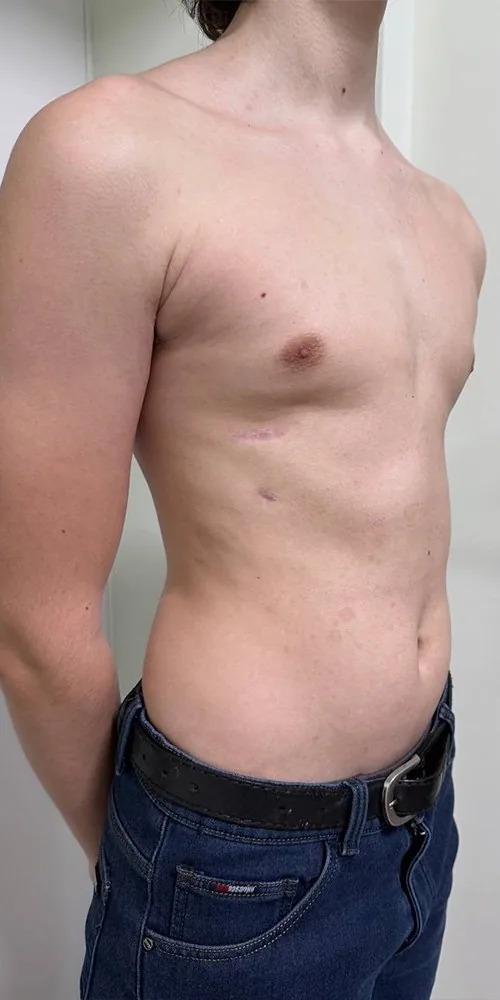
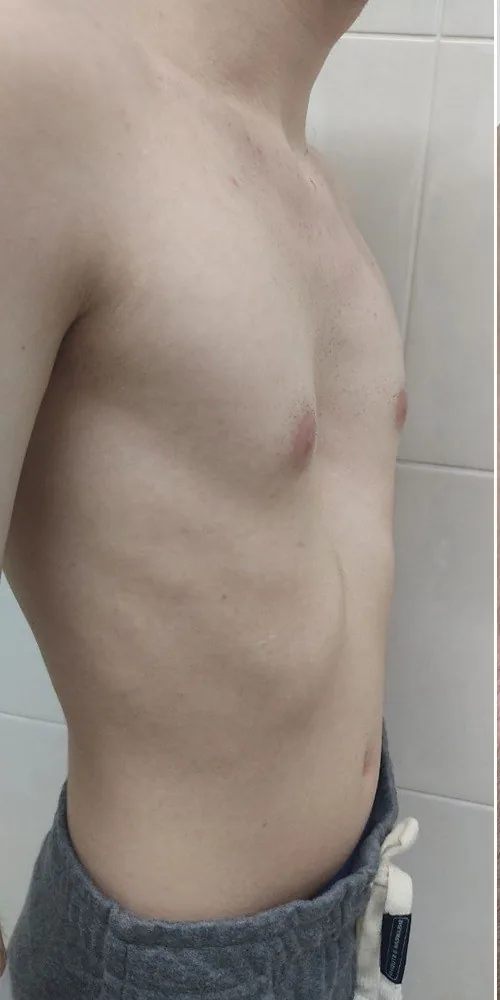
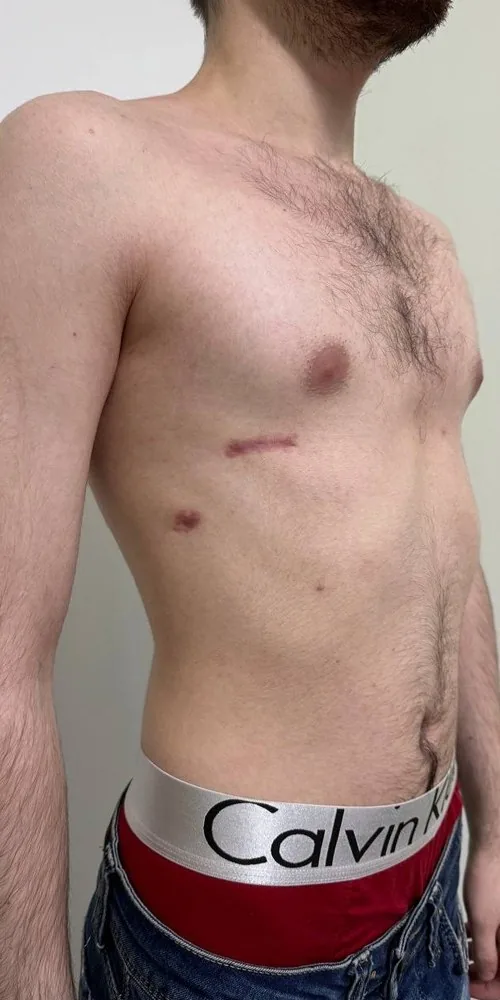
Patients of different ages — from a teenager to an adult man
  • The most favorable period for correction of the deformity is the age of 13–16 years. At this age the deformity has almost completed its formation, while the chest wall remains flexible, allowing the best possible result.
  • However, the surgery can be performed at any age. In our clinic the oldest patient at the time of surgery was 56 years old.
  • It is important to note that the surgical outcome depends on the elasticity of the chest wall. The more flexible the chest wall, the more predictable the correction may be.
Everything you need to know before the Nuss procedure

The Nuss procedure

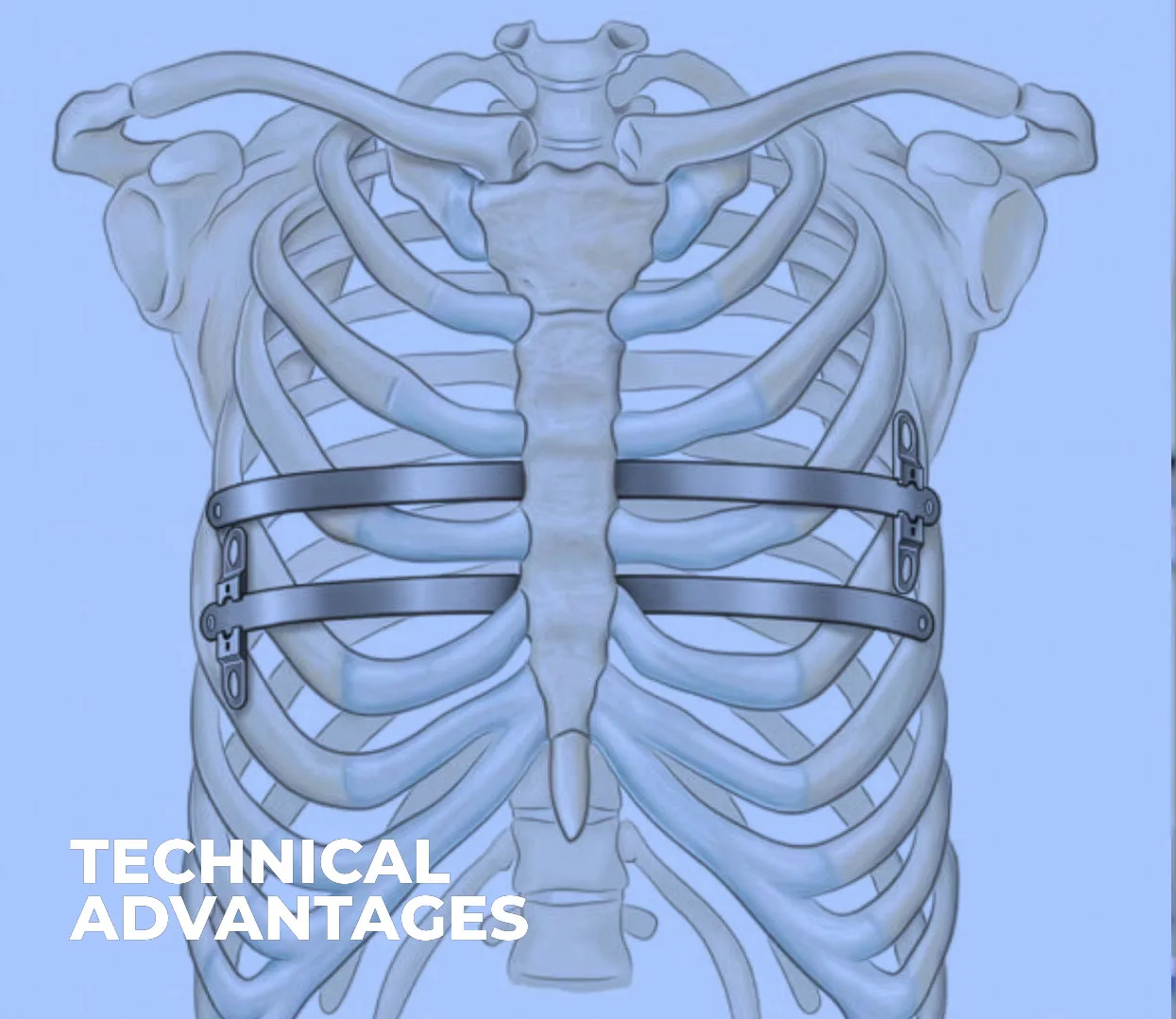
Diagram of a chest with two bars placed using the Nuss procedure

Versatility of the method

The surgery can be performed in both adolescents and adults, adapted to individual anatomical features.

Stability of the result

The bars support the corrected position of the sternum while the chest wall gradually remodels.

Low recurrence rate

The metal plate is removed 3 years after placement, ensuring a low recurrence rate (<1%) of the deformity, according to Professor Iakiv Fishchenko’s internal clinical records.

Quick return to everyday life

Thanks to the minimal trauma, patients can start light physical activity within just a few months.

Modern postoperative pain management

Postoperative pain is expected. An individually selected multimodal pain-management protocol is used during recovery.

Psycho-emotional rehabilitation

Improved chest appearance significantly boosts patients' self-esteem, especially in adolescents and young adults.
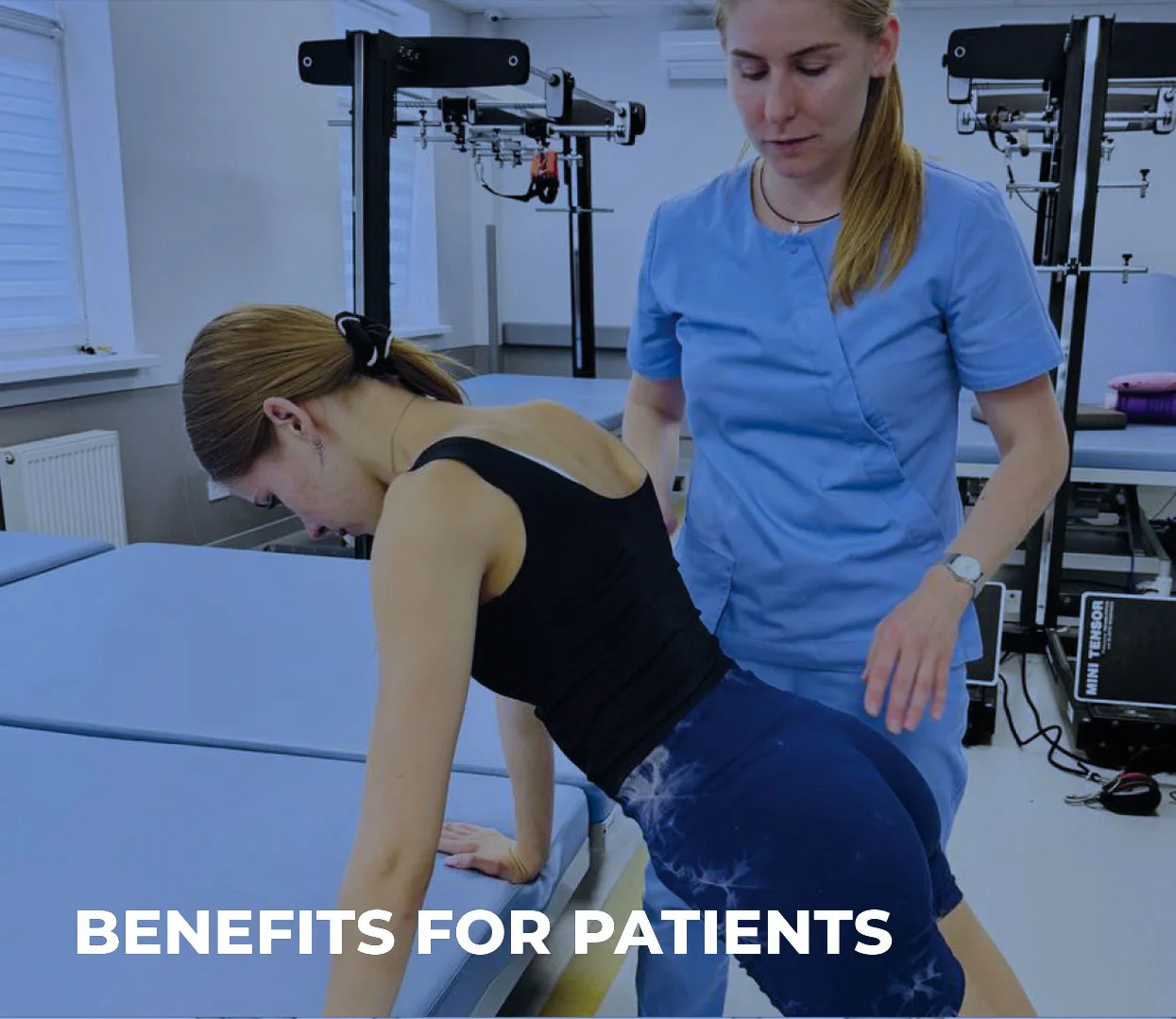

A rehabilitation specialist working with a patient after correction of pectus excavatum
A patient's chest with pectus excavatum before and after the Nuss procedure

Improved function of internal organs

Restoring the anatomically correct position of the sternum reduces pressure on the heart and lungs, improving their function.

Reduced risk of complications

Thanks to the carefully designed surgical technique, the risk of serious side effects is minimal even in older patients.

Lower risk of infections

Modern sterile techniques and materials minimize the risk of postoperative infections.

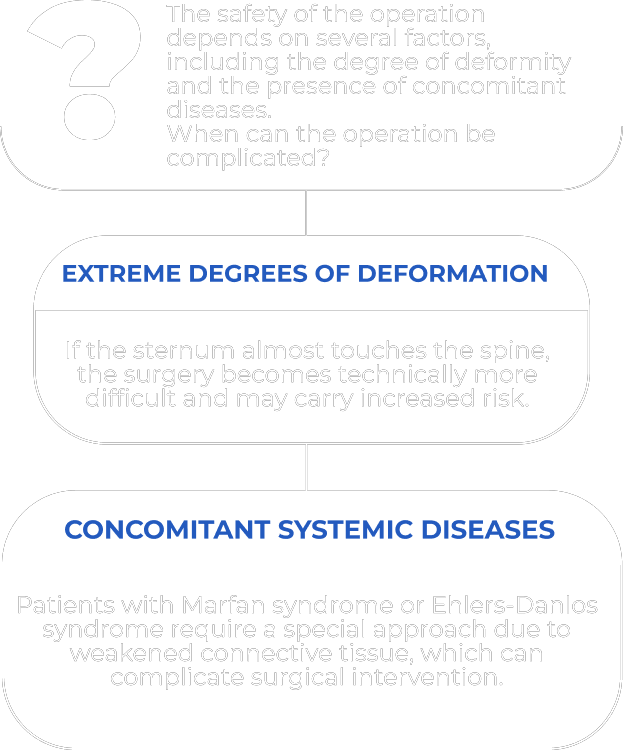
Is PE correction surgery dangerous?
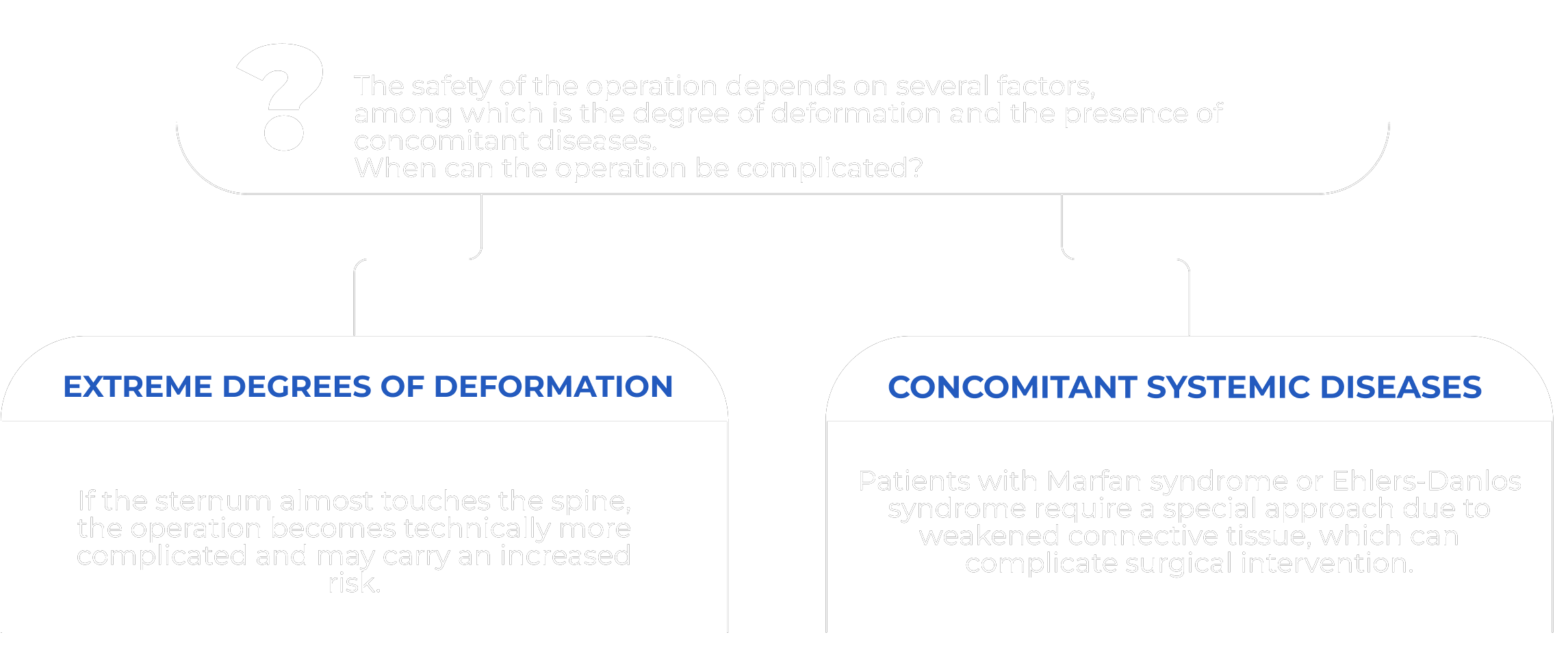
Diagram: what makes pectus excavatum surgery more complex — extreme degrees of deformity and concomitant systemic diseases

How do we minimize the risks?

  1. Detailed preoperative examination.

    In complex cases we always perform a chest CT scan to assess the degree of deformity, the location of internal organs and potential anatomical risks.

  2. Highly qualified team.

    Professor Iakiv Fishchenko has been personally performing Nuss procedures since 2007. His personal experience exceeds 2,000 operations in adolescents and adults. Each year the professor personally performs approximately 100–120 such procedures.

  3. Modern technologies.

    The use of video control allows the course of the operation to be fully monitored, minimizing the risk of damage to internal organs and large vessels.

Why choose us?

The greatest experience in Ukraine
We specialize in the correction of chest wall deformities and have the greatest experience in this field.
PER YEAR
120
performed personally by Prof. Iakiv Fishchenko
MORE THAN
2000
performed personally by Prof. Iakiv Fishchenko since 2007
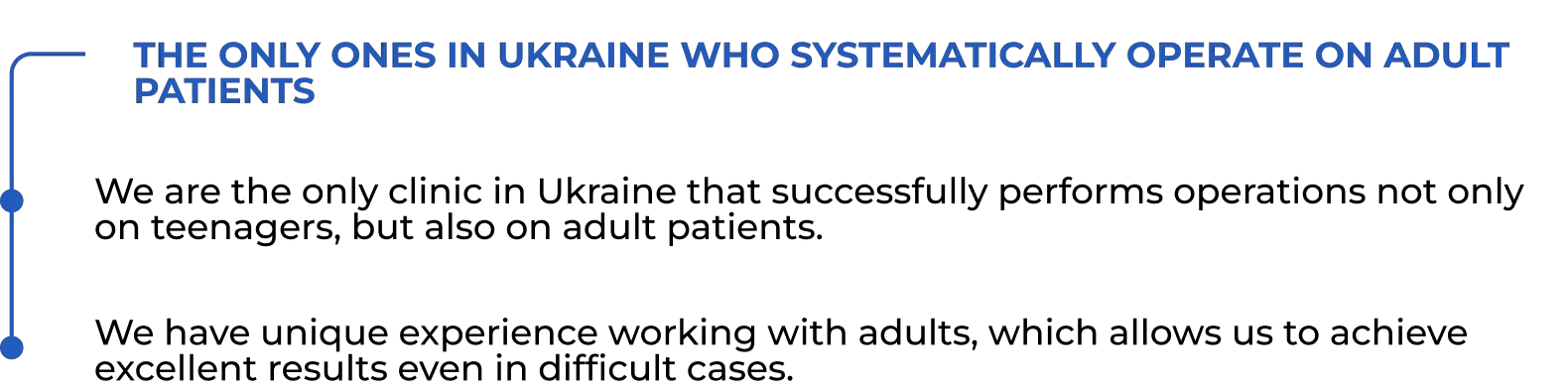
The only clinic in Ukraine that systematically operates on adult patients with pectus excavatum

Recognized experts
We are leading specialists in the treatment of pectus excavatum in adolescents and adults

We use the most advanced methods of surgical treatment,
that meet international standards
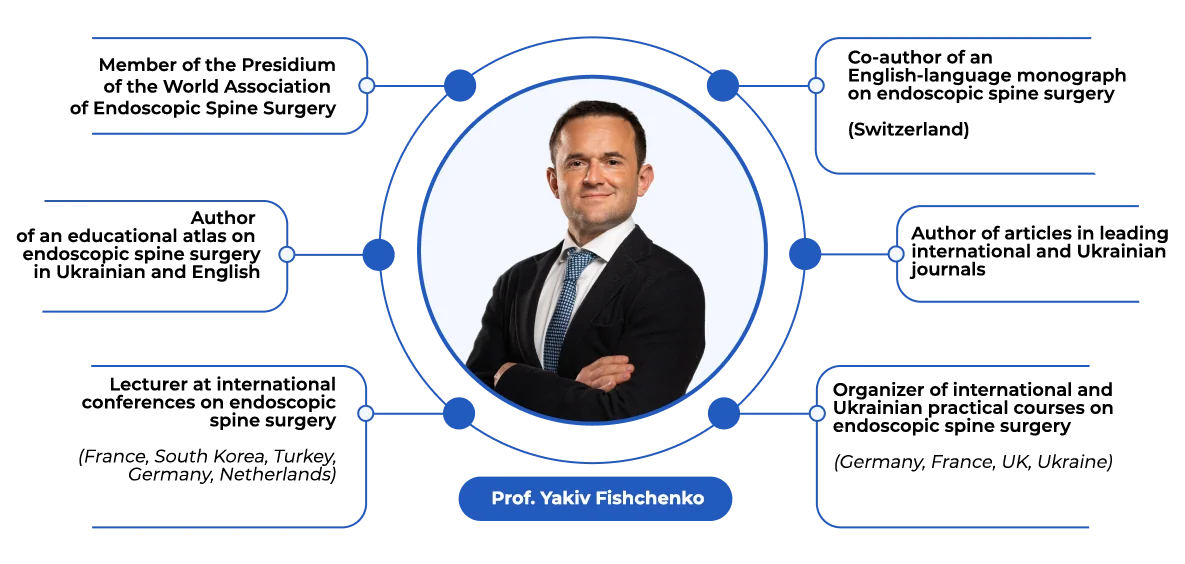

Professor Iakiv Fishchenko — board member of the World Congress of Endoscopic Spine Surgery, author of a teaching atlas and lecturer at international conferences

Full control at every stage of treatment
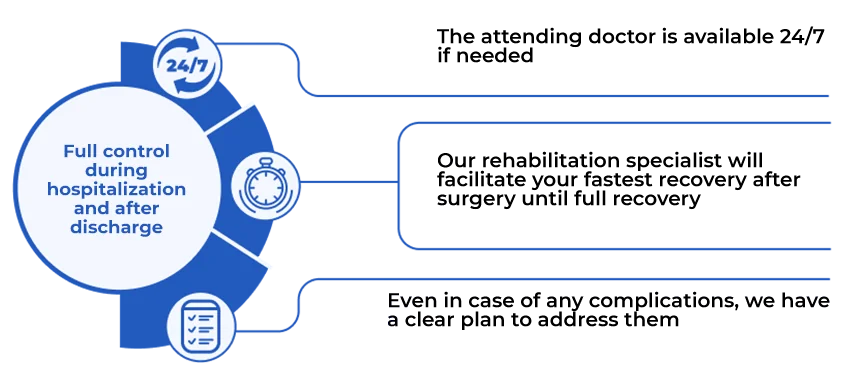
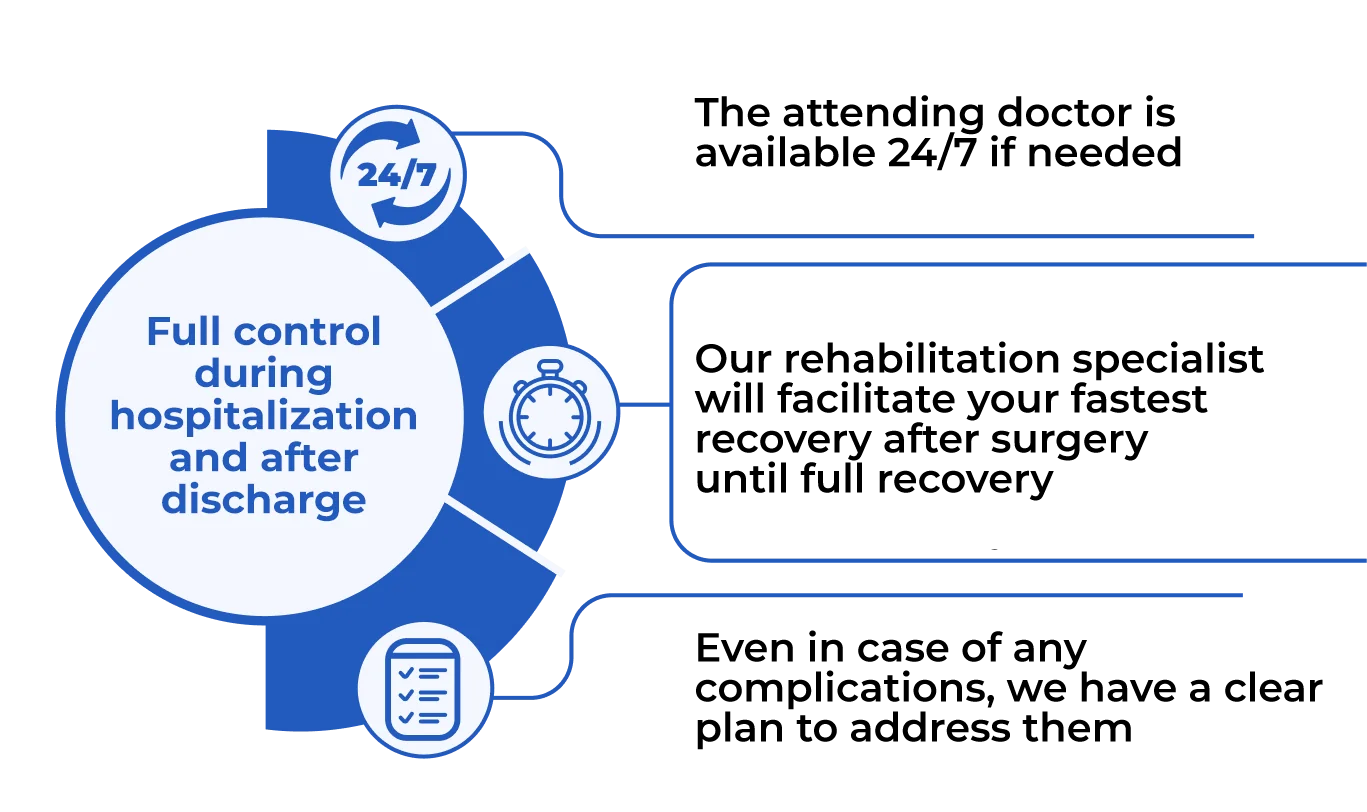
Full supervision in hospital and after discharge: the attending doctor available 24/7, rehabilitation support and a clear plan in case of complications

Entrust your health
and your children's health
only to the best!

Real stories

Show more

Vladyslav

22 years old
Before surgery, I constantly felt discomfort because of the shape of my chest. I felt embarrassed to take my shirt off at the beach, to play sports, and sometimes even to wear tight clothes. But what worried me most was that I quickly developed shortness of breath and fatigue during physical activity.

After the examination, it became clear that pectus excavatum affects not only appearance but also the work of the heart and lungs. I was very anxious before the operation, but now I understand it was the right decision.

The recovery period required patience, but it was worth it. My chest became even, breathing became easier, and my self-confidence increased significantly.
Show more

Hanna

18 years old
For a long time, I was told that pectus excavatum was only a cosmetic issue. But as I got older, I started noticing that I got tired faster, it became harder to exercise, and during activity I felt short of breath.

After consultation and additional examinations, I understood that surgery could significantly improve my quality of life. The first weeks after the procedure were not easy: I had to move carefully, increase activity gradually, and follow the doctor's recommendations.

Now I am very glad I decided to do it. It is easier for me to breathe, I tolerate physical activity better, and most importantly, I am no longer ashamed of my chest.
Show more

Serhii

28 years old
Before surgery, I always tried to hide my chest. I did not like going to the pool or the beach because I constantly felt other people's looks. Outwardly it seemed like an aesthetic issue, but over time I realized it was not only about appearance.

During training, I got tired quickly, and sometimes it was hard to take a deep breath. After examinations, I was told that the deformity could limit the function of the chest organs.

The Nuss procedure changed the situation. Recovery was gradual, but I saw the result almost immediately. My chest became much flatter, and physical activity returned over time. I became calmer about myself and my body.
Show more

Mykyta

14 years old
We had doubts for a long time about whether our child should have surgery. On the one hand, there was a noticeable chest deformity; on the other hand, we did not want to rush into surgical treatment. But after consultation, we understood the issue and possible future consequences much better.

The most important thing for us was that the Nuss procedure makes it possible to correct the deformity without a large incision on the chest. The first days after surgery were difficult, but the medical team constantly monitored his condition and pain control.

Now we see that it was the right decision. Our child has become more confident, tolerates physical activity better, and the correction result is very noticeable.
Show more

Dmytro

19 years old
Before surgery, I was very afraid of pain and long recovery. Because of this, I postponed the decision for a long time. But pectus excavatum kept interfering with my life more and more - both physically and psychologically. I got tired quickly, avoided sports, and constantly thought about the appearance of my chest.

After surgery, the recovery period really required discipline. I had to get up correctly, limit physical load, and gradually return to my usual life. But every week it became easier.

Today I do not regret my decision. My chest looks much better, breathing is more comfortable, and most importantly, I no longer feel constant psychological discomfort.
Show more

Andrii

22 years old
Pectus excavatum affected me more than I wanted to admit. I got used to hiding it with clothes, avoided photos, and felt insecure in situations where I had to expose my body. In addition, during activity I often felt fatigue and the feeling that I could not take a full breath.

After consultation, I decided to undergo the Nuss procedure. The first period after surgery was not easy, but I understood it was part of the path to the result. I gradually returned to work, walking, and then to physical activity.

Now I feel much better. Not only the appearance of my chest changed, but also my attitude toward myself.
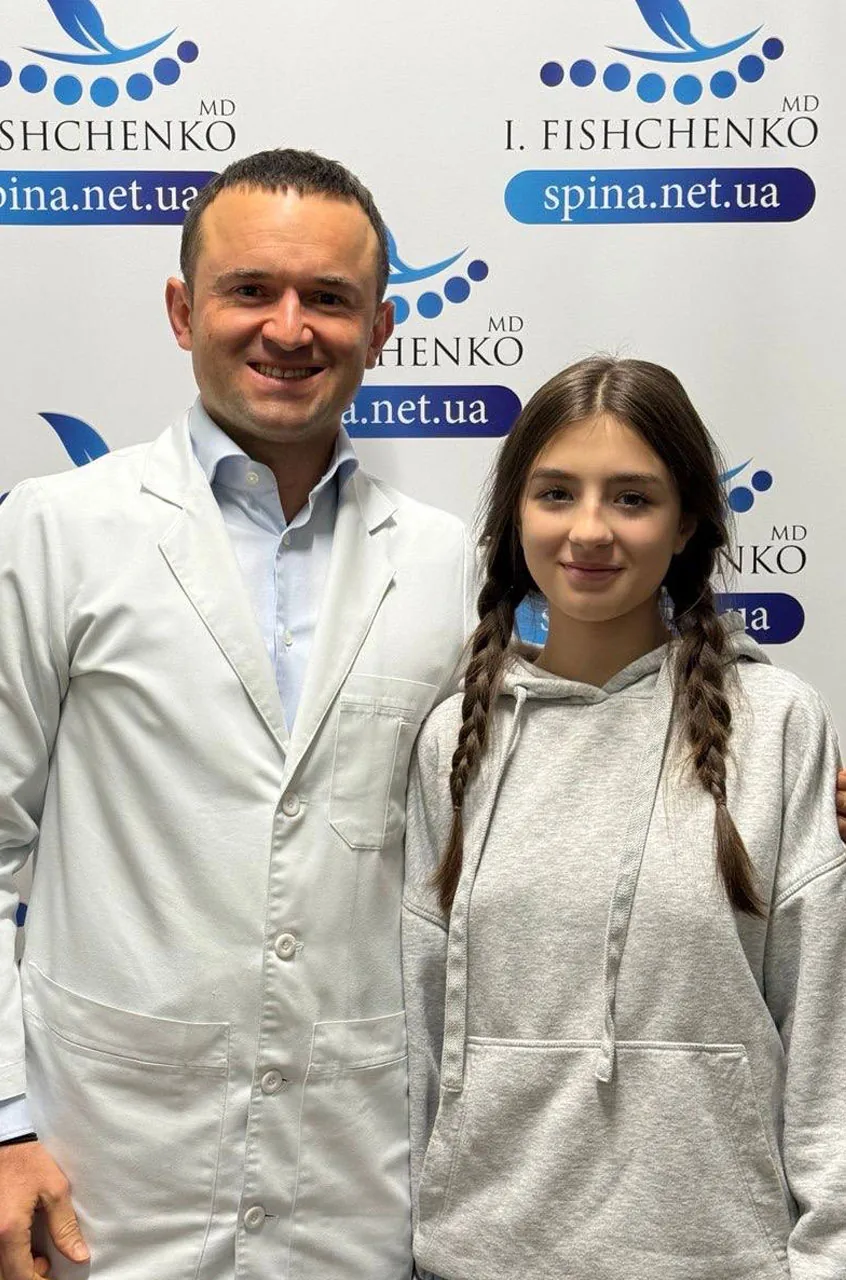
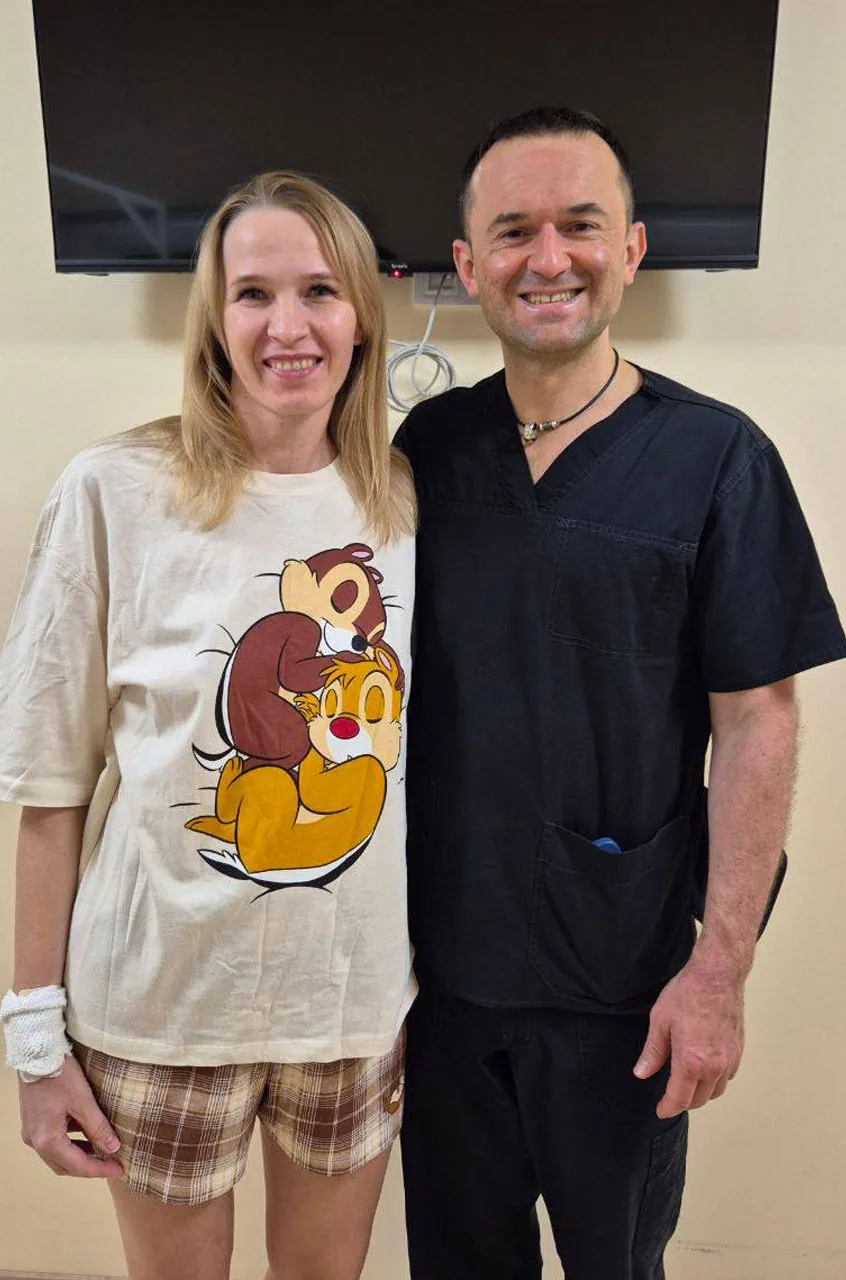
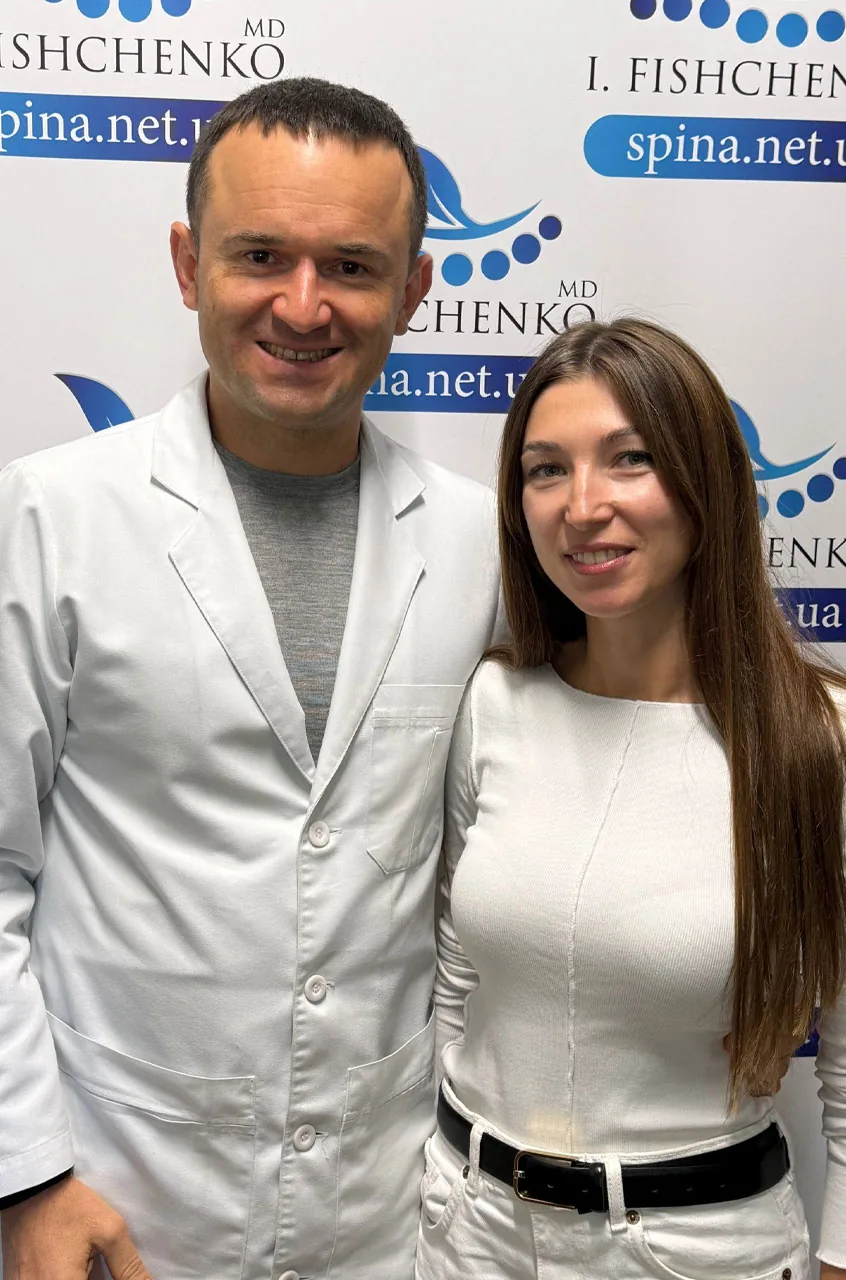
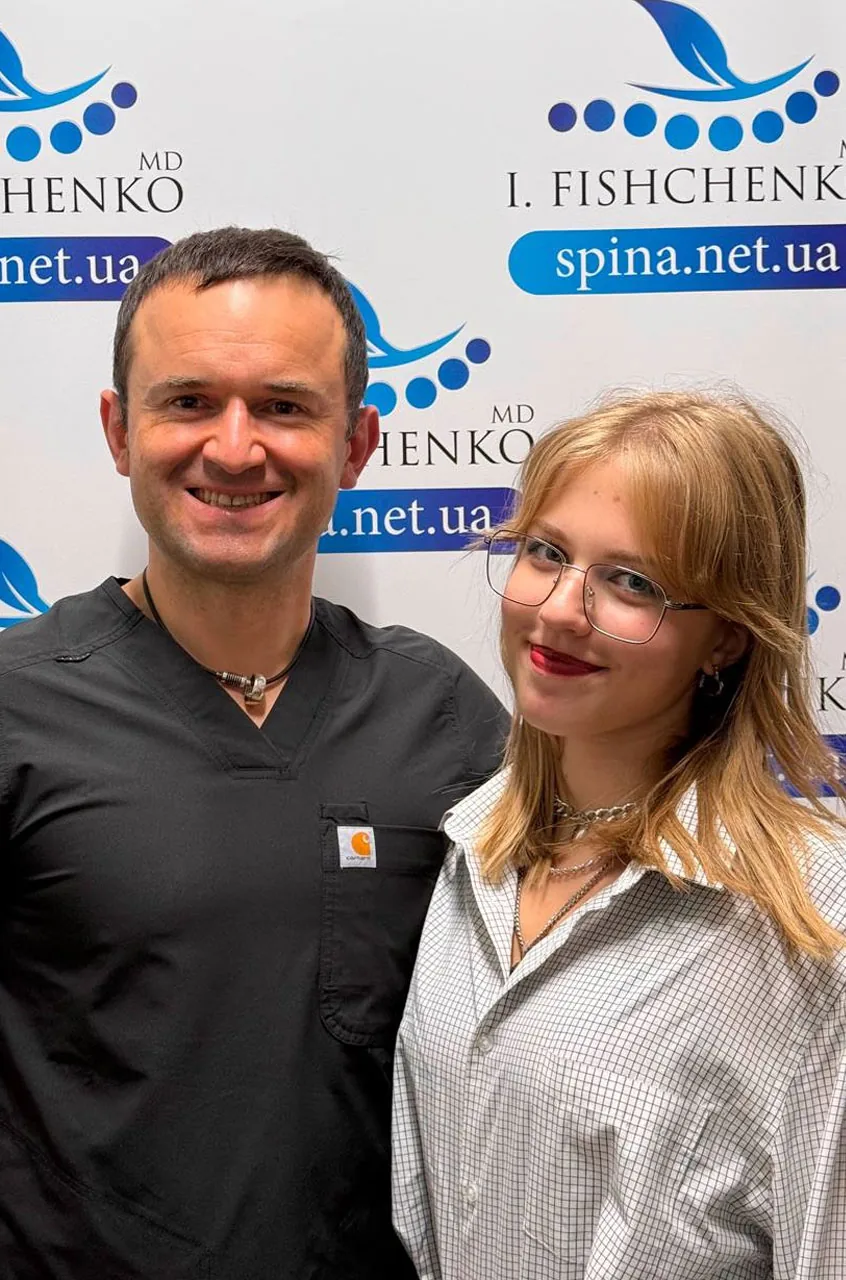
Patient photo
Patient photo
Patient photo
Patient photo
Patient photo
Patient photo
Patient photo
Patient photo
Patient photo
Patient photo
Patient photo
Patient photo
Patient photo
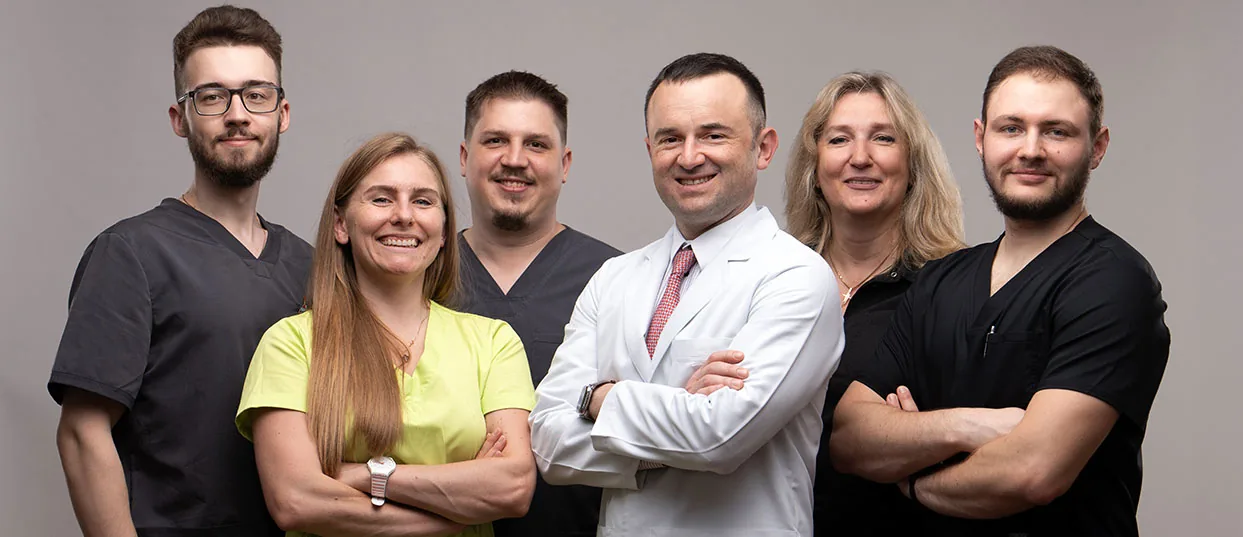
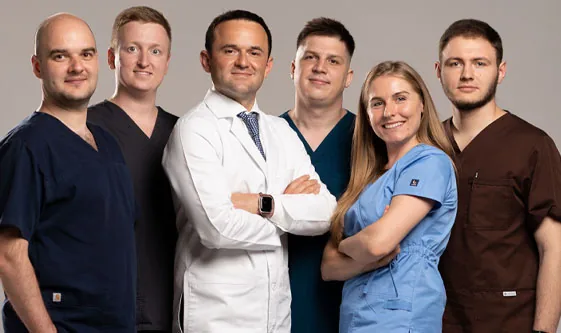
Professor Iakiv Fishchenko's team — surgeons, anaesthesiologists and rehabilitation specialists
Contact us to discuss surgical correction of pectus excavatum and receive an individual treatment plan
Institute of Traumatology and Orthopedics of the NAMS of Ukraine
Kyiv, Bulvarno-Kudryavska st., 27
FREE
ONLINE CONSULTATION

Do you have any questions?

FISHCHENKO
Yakiv Vitaliyovych

answers in messengers
Telegram Viber Facebook
Choose a convenient way to contact us. Click an icon

+380 94 821 08 30
fishchenko@gmail.com
Professor Iakiv Fishchenko — the surgeon who performs Nuss procedures for pectus excavatum

Surgical treatment of pectus excavatum with the Nuss procedure is performed personally by Professor Iakiv Fishchenko.

Professor Iakiv Fishchenko — experience with the Nuss procedure

Surgical treatment of pectus excavatum with the Nuss procedure

Leading center in Ukraine for surgical correction of chest wall deformities in children and adults

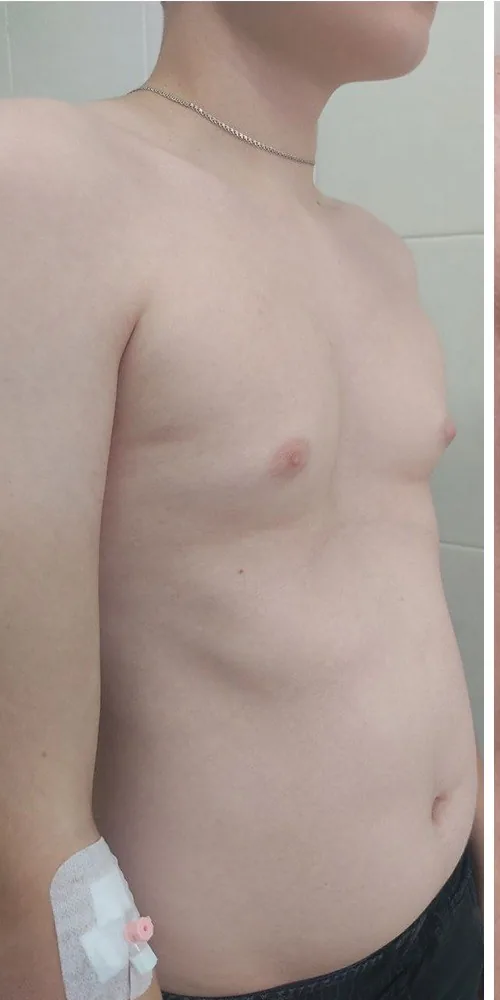
Chest of a patient with pectus excavatum — side view

A surgeon in the operating room before a Nuss procedure

Chest X-ray showing two bars after correction with the Nuss procedure

Patients of different ages — from a teenager to an adult man
Everything you need to know before the Nuss procedure

Diagram of a chest with two bars placed using the Nuss procedure

A rehabilitation specialist working with a patient after correction of pectus excavatum

A patient's chest with pectus excavatum before and after the Nuss procedure

Diagram: what makes pectus excavatum surgery more complex — extreme degrees of deformity and concomitant systemic diseases

120
2000
The only clinic in Ukraine that systematically operates on adult patients with pectus excavatum

Professor Iakiv Fishchenko — board member of the World Congress of Endoscopic Spine Surgery, author of a teaching atlas and lecturer at international conferences

Full supervision in hospital and after discharge: the attending doctor available 24/7, rehabilitation support and a clear plan in case of complications

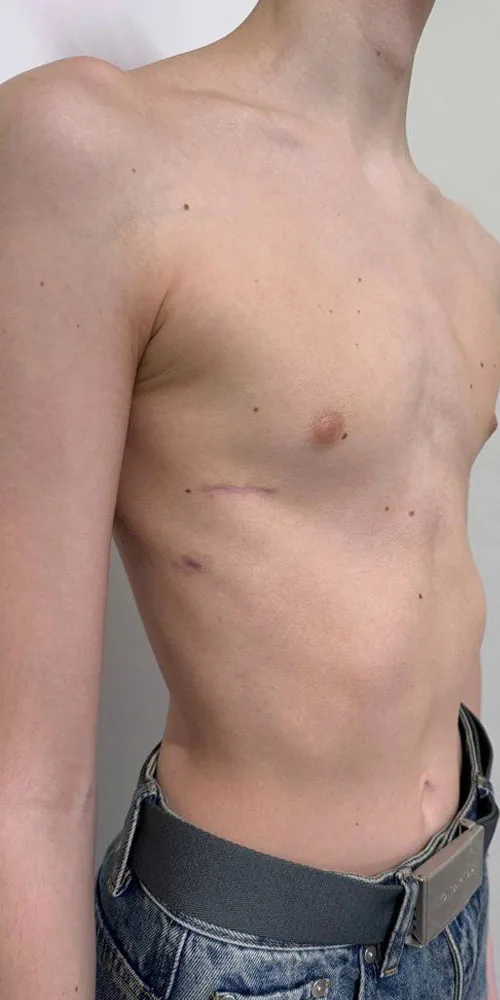
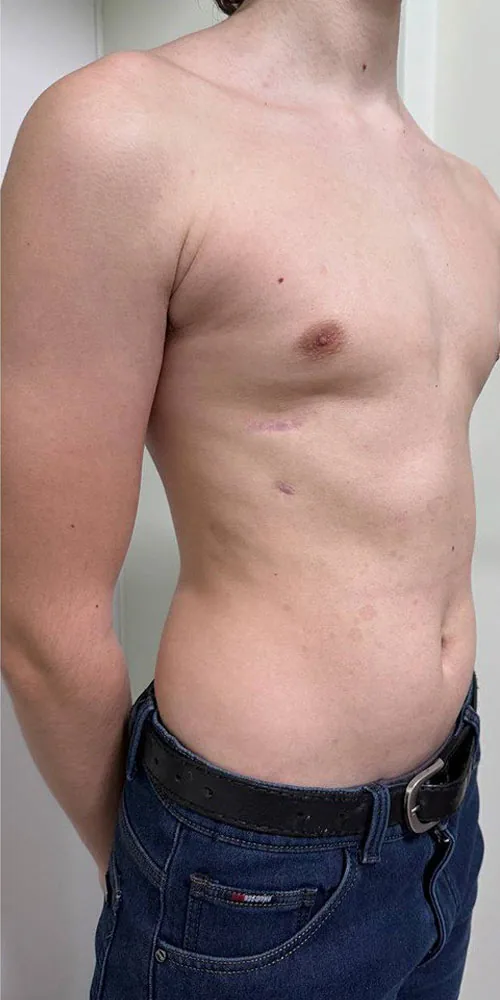
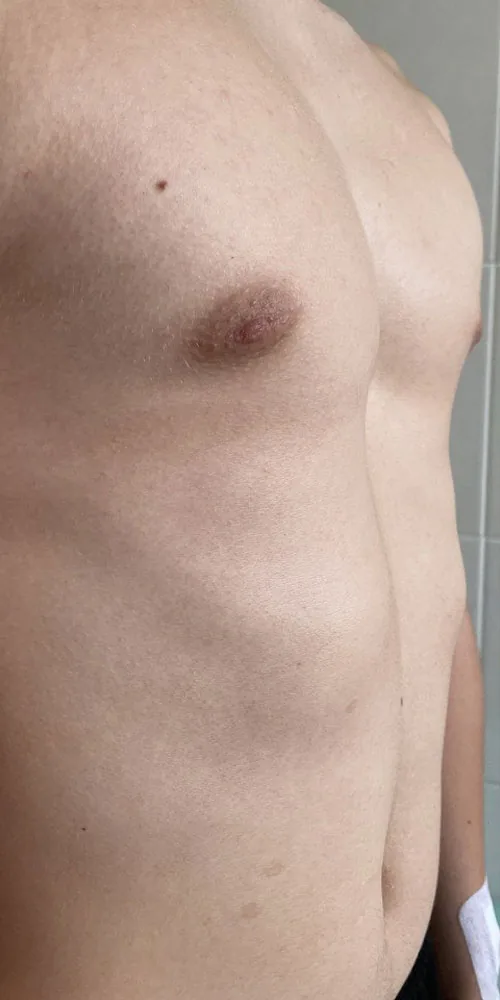
A patient's chest after correction of pectus excavatum with the Nuss procedure
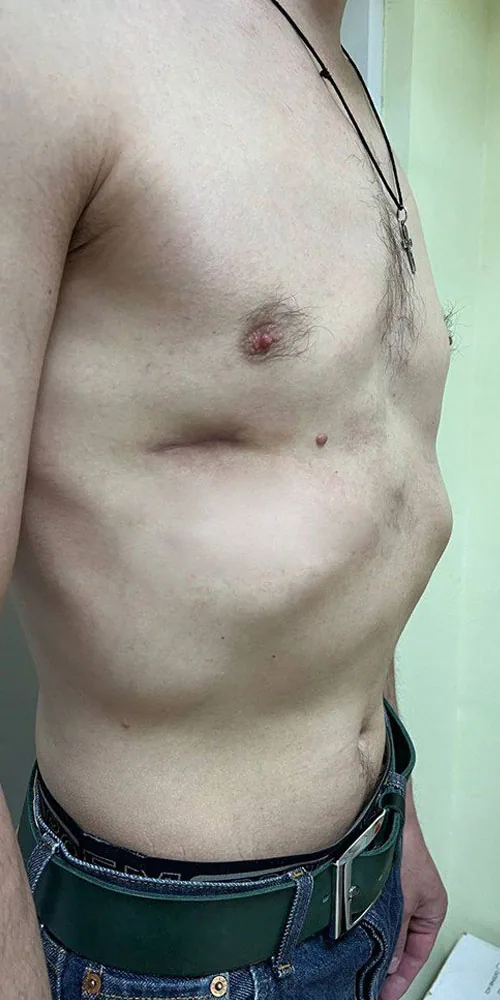
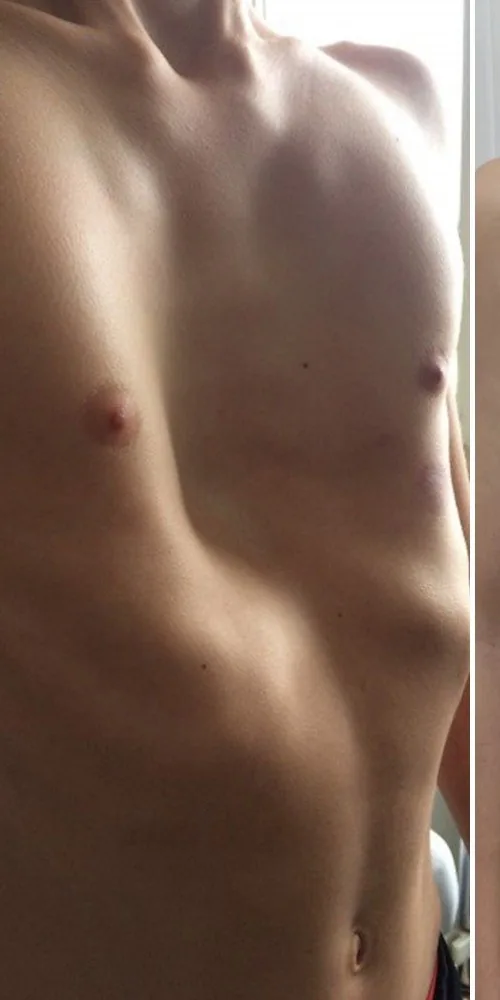
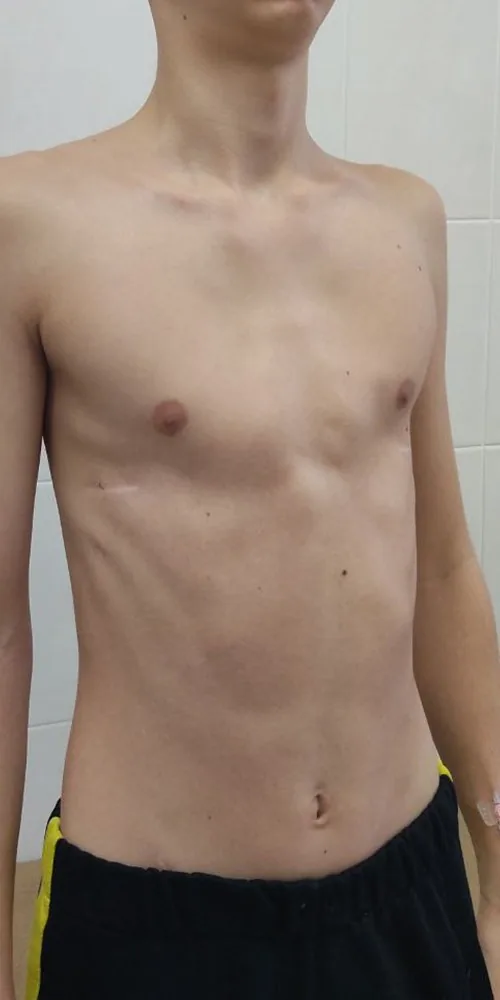
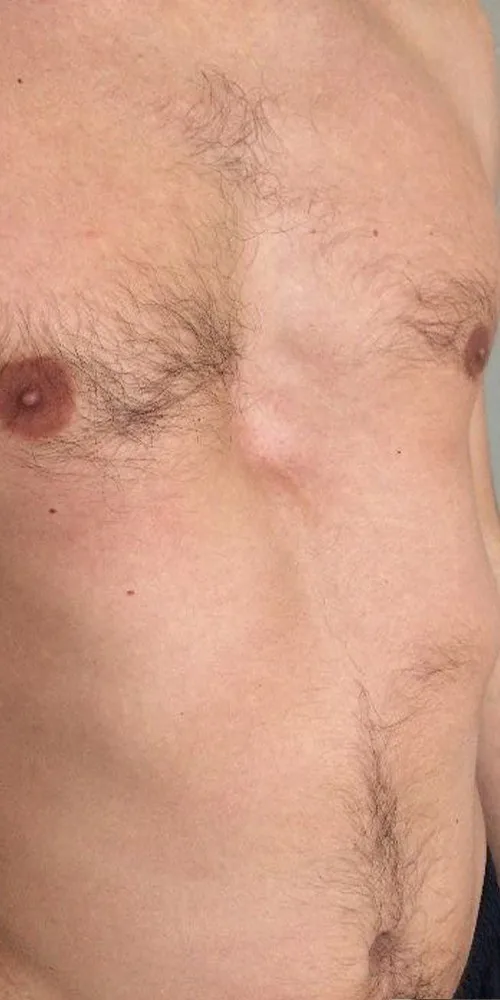
A patient's chest with pectus excavatum before the Nuss procedure
A patient's chest after correction of pectus excavatum with the Nuss procedure
A patient's chest with pectus excavatum before the Nuss procedure
A patient's chest after correction of pectus excavatum with the Nuss procedure
A patient's chest with pectus excavatum before the Nuss procedure
A patient's chest after correction of pectus excavatum with the Nuss procedure
A patient's chest with pectus excavatum before the Nuss procedure
A patient's chest after correction of pectus excavatum with the Nuss procedure
A patient's chest with pectus excavatum before the Nuss procedure
A patient's chest after correction of pectus excavatum with the Nuss procedure
A patient's chest with pectus excavatum before the Nuss procedure
A patient's chest after correction of pectus excavatum with the Nuss procedure
A patient's chest with pectus excavatum before the Nuss procedure
A patient's chest after correction of pectus excavatum with the Nuss procedure
A patient's chest with pectus excavatum before the Nuss procedure
A patient's chest after correction of pectus excavatum with the Nuss procedure
A patient's chest with pectus excavatum before the Nuss procedure
A patient's chest after correction of pectus excavatum with the Nuss procedure
A patient's chest with pectus excavatum before the Nuss procedure
A patient's chest after correction of pectus excavatum with the Nuss procedure
A patient's chest with pectus excavatum before the Nuss procedure
A patient's chest after correction of pectus excavatum with the Nuss procedure
A patient's chest with pectus excavatum before the Nuss procedure
A patient's chest after correction of pectus excavatum with the Nuss procedure
A patient's chest with pectus excavatum before the Nuss procedure
A patient's chest after correction of pectus excavatum with the Nuss procedure
A patient's chest with pectus excavatum before the Nuss procedure
A patient's chest after correction of pectus excavatum with the Nuss procedure
A patient's chest with pectus excavatum before the Nuss procedure
A patient's chest after correction of pectus excavatum with the Nuss procedure
A patient's chest with pectus excavatum before the Nuss procedure
A patient's chest after correction of pectus excavatum with the Nuss procedure
A patient's chest with pectus excavatum before the Nuss procedure
A patient's chest after correction of pectus excavatum with the Nuss procedure
A patient's chest with pectus excavatum before the Nuss procedure
A patient's chest after correction of pectus excavatum with the Nuss procedure
A patient's chest with pectus excavatum before the Nuss procedure
A patient's chest after correction of pectus excavatum with the Nuss procedure
A patient's chest with pectus excavatum before the Nuss procedure
A patient's chest after correction of pectus excavatum with the Nuss procedure
A patient's chest with pectus excavatum before the Nuss procedure
A patient's chest after correction of pectus excavatum with the Nuss procedure
Show more

Vladyslav

22 years old
Before surgery, I constantly felt discomfort because of the shape of my chest. I felt embarrassed to take my shirt off at the beach, to play sports, and sometimes even to wear tight clothes. But what worried me most was that I quickly developed shortness of breath and fatigue during physical activity.

After the examination, it became clear that pectus excavatum affects not only appearance but also the work of the heart and lungs. I was very anxious before the operation, but now I understand it was the right decision.

The recovery period required patience, but it was worth it. My chest became even, breathing became easier, and my self-confidence increased significantly.
Show more

Hanna

18 years old
For a long time, I was told that pectus excavatum was only a cosmetic issue. But as I got older, I started noticing that I got tired faster, it became harder to exercise, and during activity I felt short of breath.

After consultation and additional examinations, I understood that surgery could significantly improve my quality of life. The first weeks after the procedure were not easy: I had to move carefully, increase activity gradually, and follow the doctor's recommendations.

Now I am very glad I decided to do it. It is easier for me to breathe, I tolerate physical activity better, and most importantly, I am no longer ashamed of my chest.
Show more

Serhii

28 years old
Before surgery, I always tried to hide my chest. I did not like going to the pool or the beach because I constantly felt other people's looks. Outwardly it seemed like an aesthetic issue, but over time I realized it was not only about appearance.

During training, I got tired quickly, and sometimes it was hard to take a deep breath. After examinations, I was told that the deformity could limit the function of the chest organs.

The Nuss procedure changed the situation. Recovery was gradual, but I saw the result almost immediately. My chest became much flatter, and physical activity returned over time. I became calmer about myself and my body.
Show more

Mykyta

14 years old
We had doubts for a long time about whether our child should have surgery. On the one hand, there was a noticeable chest deformity; on the other hand, we did not want to rush into surgical treatment. But after consultation, we understood the issue and possible future consequences much better.

The most important thing for us was that the Nuss procedure makes it possible to correct the deformity without a large incision on the chest. The first days after surgery were difficult, but the medical team constantly monitored his condition and pain control.

Now we see that it was the right decision. Our child has become more confident, tolerates physical activity better, and the correction result is very noticeable.
Show more

Dmytro

19 years old
Before surgery, I was very afraid of pain and long recovery. Because of this, I postponed the decision for a long time. But pectus excavatum kept interfering with my life more and more - both physically and psychologically. I got tired quickly, avoided sports, and constantly thought about the appearance of my chest.

After surgery, the recovery period really required discipline. I had to get up correctly, limit physical load, and gradually return to my usual life. But every week it became easier.

Today I do not regret my decision. My chest looks much better, breathing is more comfortable, and most importantly, I no longer feel constant psychological discomfort.
Show more

Andrii

22 years old
Pectus excavatum affected me more than I wanted to admit. I got used to hiding it with clothes, avoided photos, and felt insecure in situations where I had to expose my body. In addition, during activity I often felt fatigue and the feeling that I could not take a full breath.

After consultation, I decided to undergo the Nuss procedure. The first period after surgery was not easy, but I understood it was part of the path to the result. I gradually returned to work, walking, and then to physical activity.

Now I feel much better. Not only the appearance of my chest changed, but also my attitude toward myself.
Patient photo
Patient photo
Patient photo
Patient photo
Patient photo
Patient photo
Patient photo
Patient photo
Patient photo
Patient photo
Patient photo
Patient photo
Patient photo

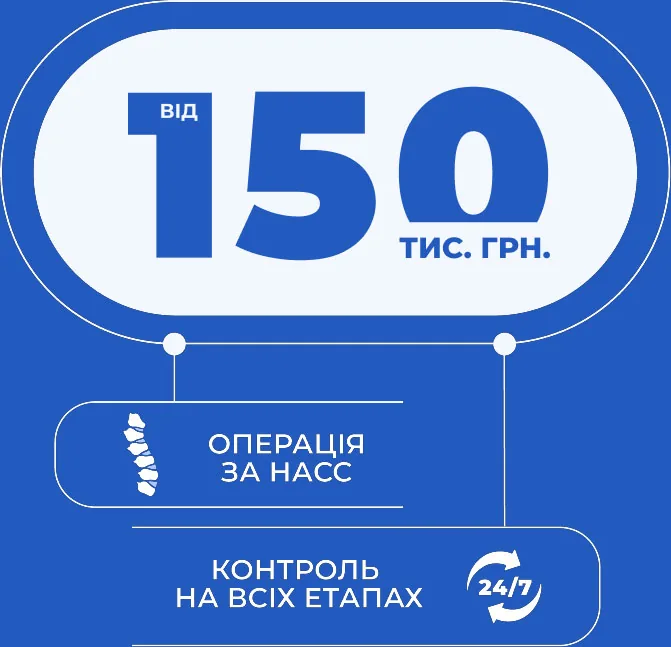
Price

Cost of pectus excavatum correction with the Nuss procedure
Professor Iakiv Fishchenko's team — surgeons, anaesthesiologists and rehabilitation specialists
FREE
ONLINE CONSULTATION
Professor Iakiv Fishchenko — the surgeon who performs Nuss procedures for pectus excavatum
Do you have any questions?


answers in messengers
Telegram Viber Facebook
Choose a convenient way to contact us. Click an icon

+380 94 821 08 30
fishchenko@gmail.com

Professor Iakiv Fishchenko — experience with the Nuss procedure
When is the best time to have the surgery?

The optimal age for surgical correction is 13–16 years, when the chest wall is still pliable. However, we also successfully perform these surgeries on adult patients, even those 50+ years old.

Is the surgery dangerous?

The Nuss procedure is major surgery and, like any operation, carries certain risks. These risks are reduced by thorough preoperative assessment, correct patient selection, the surgeon's experience and video-thoracoscopic control while the bar is being placed.

According to his own records and internal audit of the outcomes of operations personally performed by Professor Iakiv Fishchenko since 2007, the complication rate is below 4% and the recurrence rate is below 1%. These figures are internal clinical statistics. Individual risk depends on the patient's age, the severity and asymmetry of the deformity, chest wall elasticity, comorbidities and adherence to postoperative recommendations.

Whether surgery is possible and advisable is decided only after the examinations have been reviewed and the surgeon has been consulted.

Who performs the Nuss procedure?

The surgery is performed personally by Professor Iakiv Vitaliiovych Fishchenko — Doctor of Medical Sciences, orthopaedic trauma surgeon, neurosurgeon and a leading specialist in the surgical treatment of chest wall deformities.

Professor Fishchenko has been performing Nuss procedures since 2007. His personal experience exceeds 2,000 operations in adolescents and adults. The surgical plan is drawn up individually, taking into account age, the shape and asymmetry of the deformity, chest wall elasticity and the position of the internal organs.

Surgeries are carried out at the State Institution «National Institute of Traumatology and Orthopedics of the NAMS of Ukraine».

More about Professor Iakiv Fishchenko and his experience in treating pectus excavatum.

What experience does Professor Iakiv Fishchenko have in treating pectus excavatum?

Professor Iakiv Fishchenko has personally been performing surgical treatment of pectus excavatum since 2007.

As of 2026, he has personally performed more than 2,000 Nuss procedures. Each year the professor performs approximately 100–120 such operations. His experience covers adolescent and adult patients, including complex, asymmetric and rigid chest wall deformities.

These figures are the personal internal statistics of Professor Iakiv Fishchenko, based on his own records of the operations performed.

View detailed information about the surgeon, his experience and scientific publications.

Is the Nuss procedure scientifically supported?

Yes. The Nuss procedure is an internationally recognised minimally invasive technique for the surgical correction of pectus excavatum. Its outcomes, indications, possible complications and the specifics of its use in different age groups are described in the scientific literature.

Professor Iakiv Fishchenko not only applies this method but also takes part in research on the outcomes of surgical treatment of pectus excavatum. He is a co-author of the paper «Our experience of using Nuss thoracoplasty as a method of correcting pectus excavatum», which analyses the treatment outcomes of 97 patients.

How long does the surgery take?

The Nuss procedure usually takes 30–50 minutes, depending on the complexity of the deformity.

How many days will I spend in the hospital?

After the surgery patients stay in the hospital for 5–7 days.

Does it hurt after the surgery?

Thanks to modern pain-relief methods and epidural anesthesia, pain is well controlled. Patients can self-regulate the level of analgesia using an epidural pump.

Will I be able to do sports after the surgery?

Yes, but with a gradual return:

  • Light physical activity can be started after 3–4 months.
  • Gym — no earlier than 3 months.
  • Swimming pool — after 3 months.
  • Physical education classes are recommended to be limited for 10–12 months.
When can I return to work or study?

Within 3–4 weeks after surgery (provided there is no heavy physical activity).

Does a scar remain after the surgery?

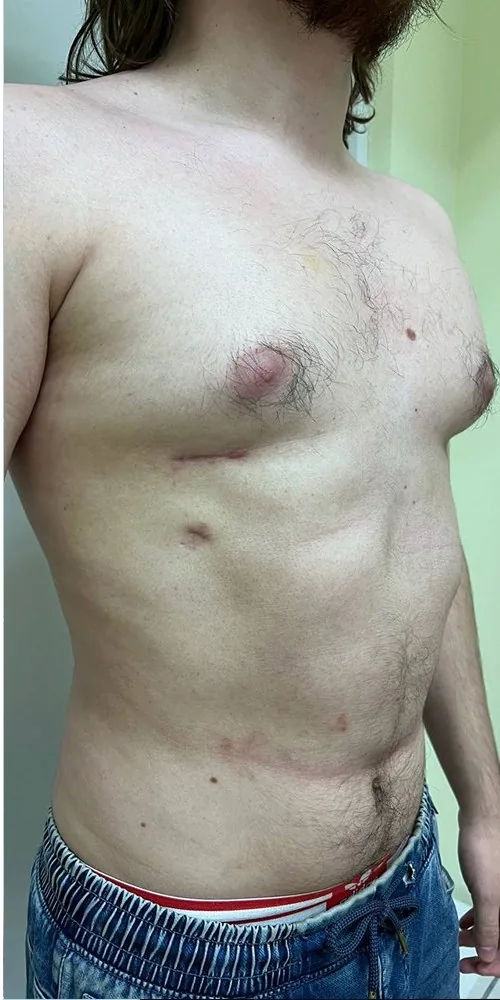
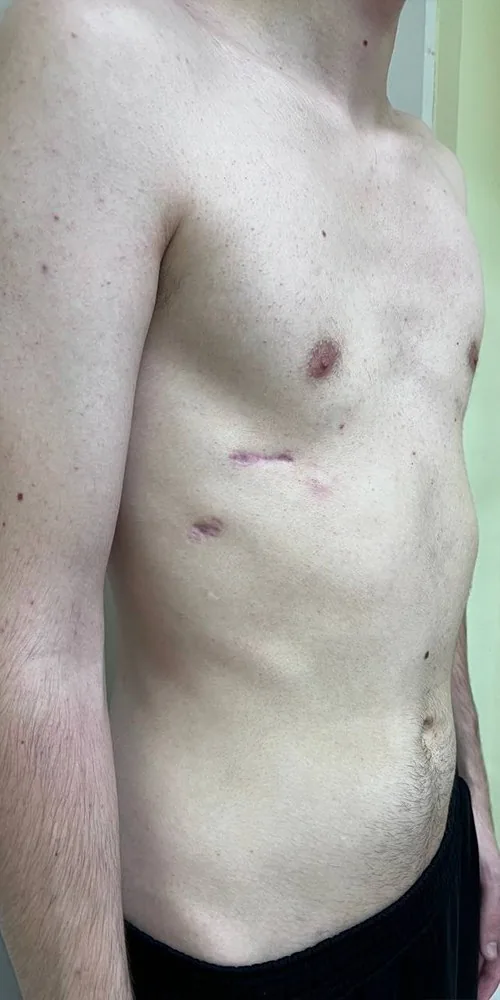
Scars after the Nuss procedure are minimal — two small 3 cm incisions on the sides of the chest that become almost invisible over time.

Why is it necessary to remove the metal bar?

The bar is removed after 3 years, since during that time a stable chest wall forms. Earlier removal increases the risk of recurrence (up to 16%), while too-late removal complicates the surgery.

Is special rehabilitation required after the surgery?

Yes, our clinic has developed a special rehabilitation program for patients after PE correction. The first physical exercises are allowed after 6 weeks, but all activity must be approved by the rehabilitation specialist.

Can I drive a car after the surgery?

Independent driving is allowed 3–4 weeks after the surgery.

Are there any dietary restrictions after the surgery?

In the first days after surgery, light food is recommended (broths, porridges, low-fat kefir). Fried or fatty dishes, raw vegetables and fruits should be avoided for 2–3 days until the gastrointestinal tract returns to normal.
Can I fly by plane after the surgery?

Flights are allowed 2 weeks after the surgery, when the risk of complications is minimal.

Will a metal detector frame react to the bar?

No, in most cases a metal detector frame does not react to the bar used for correction of pectus excavatum.
✔ Why?

  • The bar is made of medical steel or titanium, which have low magnetic permeability and do not trigger most metal detectors.
  • Airport and industrial detectors are usually tuned to find weapons or large metal objects, so the bar is too small to trigger a reaction.

✔ What to do if the metal detector goes off?

  • In rare cases, some sensitive security systems may react.
  • If this happens, you will be additionally checked for weapons. Documents and certificates are not required.
How to book a consultation or surgery?

You can contact our administrator to book a consultation:

📞 Phone for appointments: (094) 821-08-30 (Olena Ihorivna).